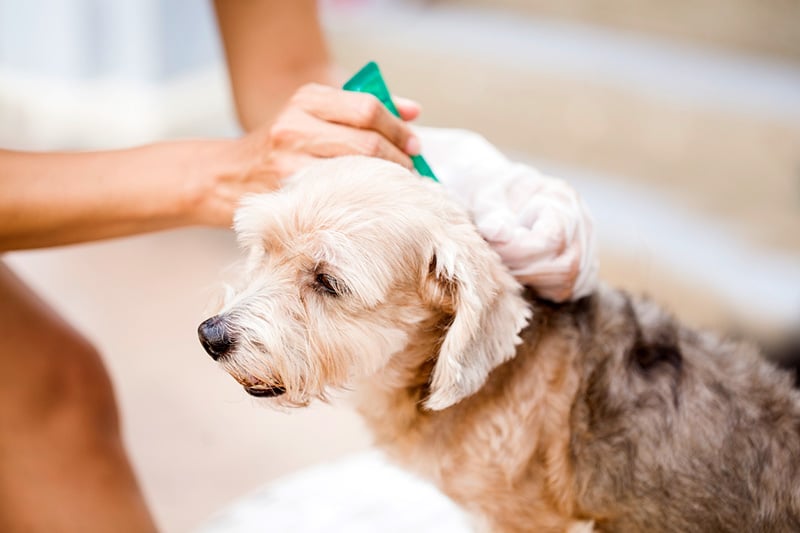
In my opinion, prevention is one of the most useful parts of flea control. Checking pets, using suitable prevention and keeping resting areas clean can reduce the chance that a few fleas become a household problem. No routine guarantees that a flea never enters the home, but early attention makes the next step clearer and can save time, money and discomfort.
Identification
The first step is checking whether fleas are present. If your dog or cat is scratching, use a flea comb under good light and inspect what collects. Scratching can have other causes, so look for live adults and flea dirt. Dark specks that leave a reddish-brown stain on damp white paper support the flea-dirt identification, although scabs can also contain blood. Ask your vet about persistent itching, wounds or hair loss even if you cannot find fleas.
Take flea prevention seriously
A female cat flea can produce many eggs, which fall from the coat into resting sites. Larvae and cocoons can then develop out of sight. The speed and numbers depend on conditions, so not every home follows a fixed progression from thirty eggs to thousands. This is the practical reason for combining suitable animal care with environmental checks before activity becomes widespread.
Use flea control products
My own routine has combined suitable flea drops, comb checks and regular vacuuming, with closer attention when the dogs scratch. The right product differs between animals. Pills, spot-ons and some collars can provide continuing protection; shampoos, monitoring traps and premises treatments serve different purposes. My flea-product guide explains those categories. Do not use all of them together just because they appear in a list.
Flea prevention for puppies

Young puppies need particular care because many products have minimum age and weight limits. Ask your veterinarian about a plan for the specific puppy, including whether the other animals in the home need treatment. A product may kill fleas without repelling them, so protection does not necessarily mean you will never see one land on the animal. Follow these precautions:
- Check the exact age, weight and species on the label before using a treatment.
- Apply only at the labelled site and keep the product away from eyes and mouth. Do not divide a larger animal’s dose by guesswork.
- Do not transfer cat and dog products between species or assume every pet-shop product is suitable for a puppy.
- Comb gently to check for adults and flea dirt. Get prompt veterinary advice for a weak, pale or heavily infested puppy.
Flea prevention for adult dogs and cats

Grooming helps you notice fleas early, but massage alone does not prevent them. Spot-on and oral products differ in how their ingredients act and which flea stages they target; they do not all spread through the body in the same way. Choose a product for the individual animal and follow its application, bathing and dosing instructions. A practical routine looks like this:
How to prevent fleas on dogs and cats
- Check and comb the animal regularly. Bathe only as appropriate with a suitable product; do not submerge the pet to drown fleas.
- Use the selected preventive on its labelled schedule, and check before combining it with another treatment.
- Vacuum important resting sites and wash suitable bedding using the hottest settings its care label permits.
- Record doses and sightings so ongoing fleas or skin symptoms can be reviewed with the veterinarian.
What are the best flea control products for dogs and cats?
There is no single best product for every dog and cat. My reviews of Frontline Plus and K9 Advantix II discuss dog products, but check the current label and veterinary advice before choosing. K9 Advantix II is a dog product and must not be used on cats. Capstar is a short-acting adult-flea treatment, so it should not be mistaken for a complete long-term prevention plan. Compare duration, parasite coverage, age/weight suitability and the animal’s health rather than relying on review popularity.
Get rid of and prevent fleas in your home

Apart from getting rid of fleas on your pets, you must also eliminate them from your home and yard. Here are a couple of things that can help:
- Vacuum relevant floors, carpet edges and furniture regularly, then empty the vacuum securely. Borax and diatomaceous earth are not powders to spread routinely over occupied areas without an appropriate label and exposure precautions.
- Wash suitable pet bedding and items animals rest on. Follow material-care instructions rather than hot-washing every curtain or garment in the house.
- Keep relevant outdoor resting spots tidy and assess wildlife access. Beneficial nematodes require suitable conditions and target-pest selection; they are not universal flea-and-tick prevention for every lawn.
Keep an eye on your pets
Keep checking the pets and review any increase in scratching, fresh flea dirt or live adults. An early finding is easier to investigate, but scratching alone does not prove fleas and a later sighting does not always mean the preventive failed. A consistent schedule, relevant cleaning and a clear record make it easier to adjust the plan when needed.
Sources
- FDA: Safe use of flea and tick products in pets
- Merck Veterinary Manual: Flea allergy dermatitis
- CDC: Getting rid of fleas
- ASPCA: Essential oils around pets
- ASPCA: Garlic toxicity
- CDC: preventing fleas
- Capstar: current product labelling

