Getting rid of fleas can be frustrating, especially when your pet keeps scratching after treatment has started. Dogs and cats depend on us to help them. That means dealing with the adults feeding on them and the immature fleas developing in their surroundings. In this guide, I’ll walk you through ten parts of flea control so you can put together a plan that works for your pet and home.
Start suitable pet care, comb checks, washing and vacuuming together. The ten actions below build on that foundation; premises pesticides and specialist treatments depend on an identified need. No plan can promise that fleas will never return.
10 coordinated flea-control actions
1. Arrange appropriate care for every pet
Discuss active symptoms with your vet rather than waiting for an annual checkup. Choose a product for each animal’s species, age, weight and health, including the parasites it must cover. Flea and tick claims differ. A weak or pale animal needs prompt care. Never use a dog-only permethrin product on a cat.
2. Check the coat gently
Use a flea comb over a pale towel, particularly around the neck and tail base, avoiding sores. Drop captured fleas into soapy water; do not coat the comb in an unspecified cleaner. Scratching, scabs and hair loss have other causes too. Get help with a coat you cannot handle comfortably. Combing removes some adults and provides evidence, but is not continuing protection.
3. Map the places your pets rest
Inspect beds, favourite chairs, carpet edges and accessible spaces under furniture. Include kennels and places used by visiting or previous animals. Record where live fleas or suspected flea dirt appear so cleaning follows the evidence. Keeping a pet off one bed is not a guarantee that people will avoid bites; provide a comfortable clean resting place.
4. Vacuum affected areas frequently
During active control, vacuum resting sites, carpet edges, upholstery and accessible gaps daily or every other day. Seal bags or empty collected debris securely outside according to machine instructions. After a premises treatment, follow its cleaning restrictions and ask when vacuuming can resume.
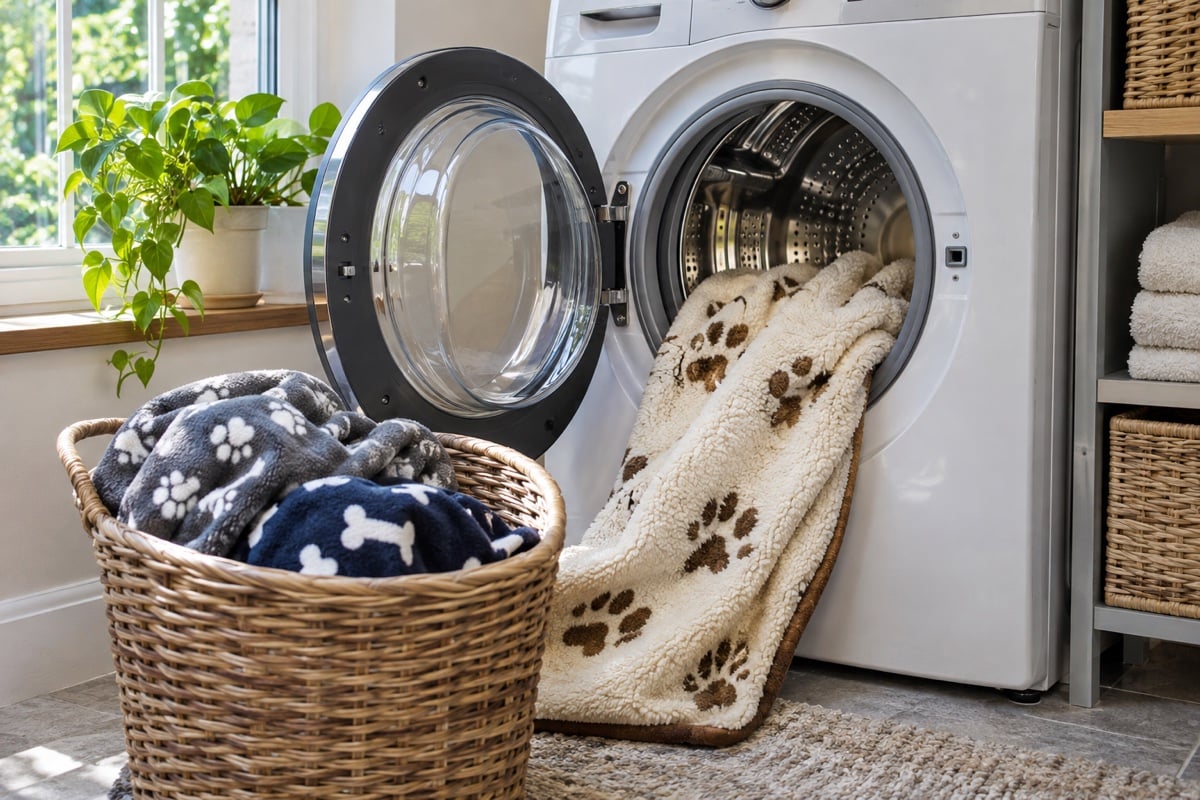
5. Wash suitable bedding weekly
Use detergent and the hottest washing and drying settings the material’s care label allows. Include washable covers from the areas identified above. Handle used material without shaking debris around the home, and return only clean, dry bedding.
6. Choose any premises treatment for the target
If cleaning and animal care need additional support, ask about a registered treatment for the actual surface. Methoprene and pyriproxyfen interrupt immature development; an IGR alone does not kill existing adults, and protected cocoons remain difficult to reach. Some formulations combine an IGR with an adulticide. Follow the permitted sites and repeat interval rather than automatically retreating after three or four months.
Some labelled carpet products use borates against susceptible immature stages. They are not instant killers of all eggs and adults. Household borax and food-grade diatomaceous earth are not interchangeable substitutes. Avoid airborne dust, do not scatter products over pet bedding unless expressly allowed, and do not assume carpet washing leaves every treatment effective. See the carpet guide.
7. Address relevant outdoor sources
Look at shaded resting sites, kennel bedding and animal access rather than treating the whole yard by default. Secure food and rubbish, reduce shelter for unwanted wildlife and maintain heavily used resting areas. Ask a professional about rodents or inaccessible animal nests. See outdoor flea control for a targeted approach.
8. Monitor with consistent checks
Record the date, location and number of fleas found with comparable comb checks or light-trap checks. Light traps can catch adults on sticky pads; they help monitor activity but do not clear every hiding place. An empty trap is not proof of absence.
9. Review the response before adding products
Review the trend after two weeks; this is a progress check, not a clearance deadline. Protected stages can emerge later. If numbers are not falling, new areas are affected or the animal remains unwell, review the source, correct product use and cleaning plan with your vet or pest professional. Do not redose early or try every treatment at once.
10. Keep prevention and ordinary health care going
Continue the schedule appropriate to local risk and veterinary advice, including risks inside heated homes. Record treatment dates and discuss prevention at routine health visits. A complete diet supports health but does not make an animal flea-proof; give fresh plain water rather than vinegar mixtures. Garlic can damage red blood cells, and brewer’s yeast is not reliable flea prevention.
Treatment formats and home remedies
A bath may help in selected cases, but the shampoo must suit the animal and any topical medicine already used. Drops, oral medicines and injections have different roles. Older lufenuron injections for cats interrupt reproduction rather than instantly killing adults; newer locally authorised products can work differently. Ask about the actual product, species, duration and possible reactions instead of relying on a generic “six-month injection” description.
Herbal does not mean harmless. Pennyroyal can be seriously toxic, and homemade rosemary or eucalyptus collars have uncertain exposure. “1%” is not a universal safe dilution for oils. Use only an appropriate pet-labelled formulation as directed; do not transfer human bite remedies to pets. The natural-control guide separates useful physical measures from unsupported recipes.
These actions work as a coordinated routine. Keep the treatment and cleaning records together so a vet or pest professional can see what has been tried and what changed.
Sources
- CDC: Getting rid of fleas
- University of Minnesota Extension: Fleas
- FDA: Safe use of flea and tick products in pets
- UC IPM: flea management

