Humans are not generally on the menu for fleas, but if your pet dog or cat has brought them home, then you and your family members are bound to be bitten at some point or another. Most cases of flea bites on humans can be treated using home remedies for flea bites. We will discuss some of these remedies here.
Home Treatment for flea bites on humans
Before we consider any home treatment for fleas, let us study the signs and symptoms of flea bites.
- Possible bites are small raised bumps, sometimes in clusters. Redness may be less visible on darker skin.
- Feet, ankles and lower legs are common sites, but other exposed areas can be affected.
- Some people develop larger itchy swellings or blisters in reaction to flea saliva. Appearance alone cannot confirm the cause.
- Fever, headache or feeling ill after flea or rodent exposure needs medical assessment. Flea-borne typhus can occur in particular regions and should not be dismissed as an ordinary itchy rash.
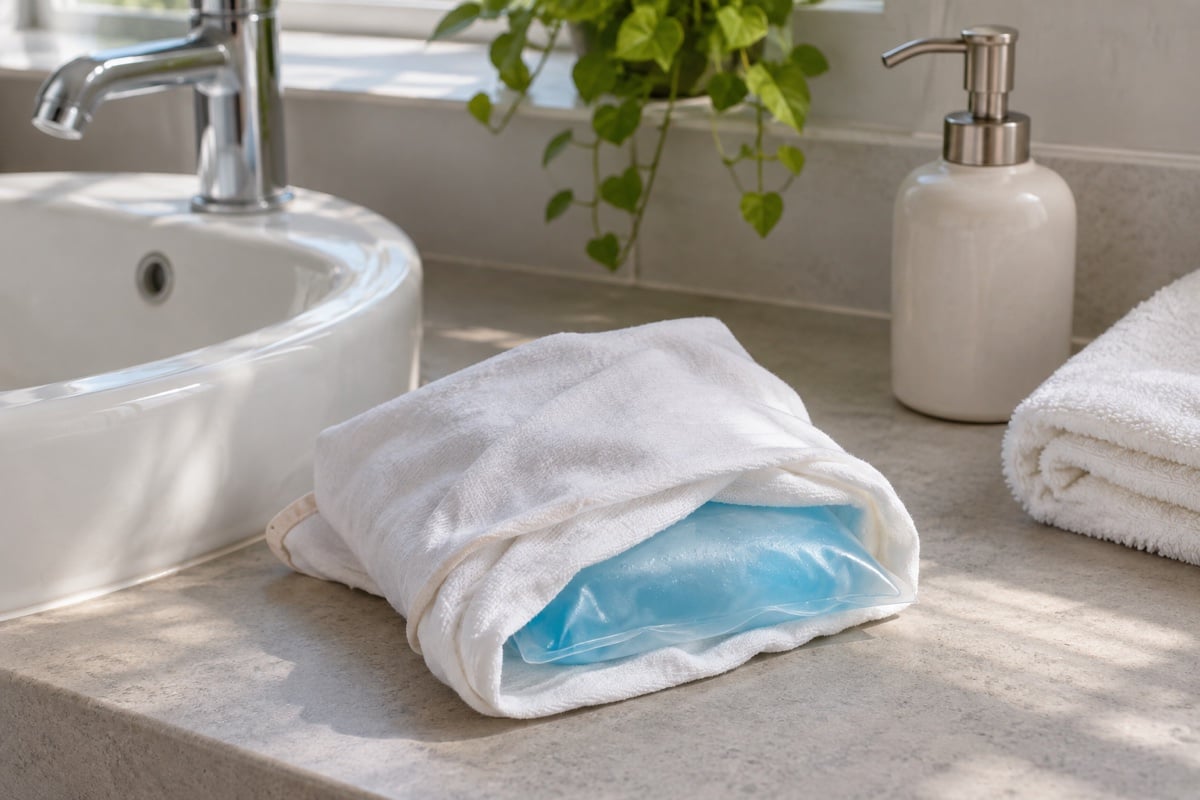
For a mild reaction, start with soap and water and a cool damp cloth or wrapped cold pack. A suitable hydrocortisone product or oral antihistamine may help some people, but neither is necessary for every bite. Follow age, body-site and duration instructions and ask a pharmacist about children or other medicines.
How to treat your bites
The cat flea commonly affects both cats and dogs and can bite people. Human fleas also exist, but finding a rash does not identify a species. The main skin-care steps are:
- Wash gently, pat dry and avoid scratching or picking.
- Cool the skin for comfort without placing ice directly on it.
- Ask a pharmacist about appropriate anti-itch treatment if needed; seek medical advice for worsening or persistent symptoms.
Scratching can introduce bacteria into damaged skin. Increasing pain, warmth, swelling, pus or fever requires advice; steroid cream does not treat a bacterial infection. Stop any product that aggravates the rash. At the same time, treat pets with an appropriate preventive and clean their resting areas. A persistent infestation may need a qualified pest professional. Breathing trouble, mouth or throat swelling or collapse is an emergency.
Best products for home treatment of flea bites on humans
- Calamine lotion may soothe uncomplicated itching on intact skin. It is not a cure for infection or a guarantee of faster healing; check the product’s instructions.
- Neosporin is an antibiotic ointment, not a routine anti-itch treatment. Uncomplicated bites do not automatically need it, and some people develop contact allergy to topical antibiotics. Ask a clinician about suspected infection.
- Baking soda is often suggested as a paste, but it has no established advantage over standard bite care and may irritate. A clean cool compress is a simpler starting point.
Home remedies for flea bites on pets
- Frontline and Advantage are brands with different formulations. Suitable products can kill fleas on pets, but they should not all be described as repellents. Check the exact species, age, weight and active ingredients, and ask a vet which plan fits your animal.
- Do not make an essential-oil collar by soaking a handkerchief in lavender or cedar oil. Concentrations are uncertain and the pet can lick or absorb the oil.
- Do not add vinegar to drinking water to deter fleas. It is not proven prevention and may discourage drinking. Give fresh plain water.
- Ask a vet about an animal that is scratching severely or has open, painful or weeping skin. Do not apply human calamine or other lotions without advice, because the animal may lick them off.
Remember: skin comfort measures alone will not stop new bites unless you control fleas in the pet’s environment. Launder the bedding, vacuum the rugs and carpets and, if needed, get a professional exterminator to get rid of these pests from your home.
If you want to save some money by getting rid of fleas yourself, check out my recommended flea remedies.
Sources
- NHS: Insect bites and stings
- Cambridge University Hospitals: Insect bites and stings
- CDC: Getting rid of fleas
- ASPCA: Essential oils around pets
- ASPCA: Garlic toxicity
- NHS: hydrocortisone for skin
- Merck Veterinary Manual: flea allergy dermatitis
- Merck Veterinary Manual: essential-oil toxicosis

