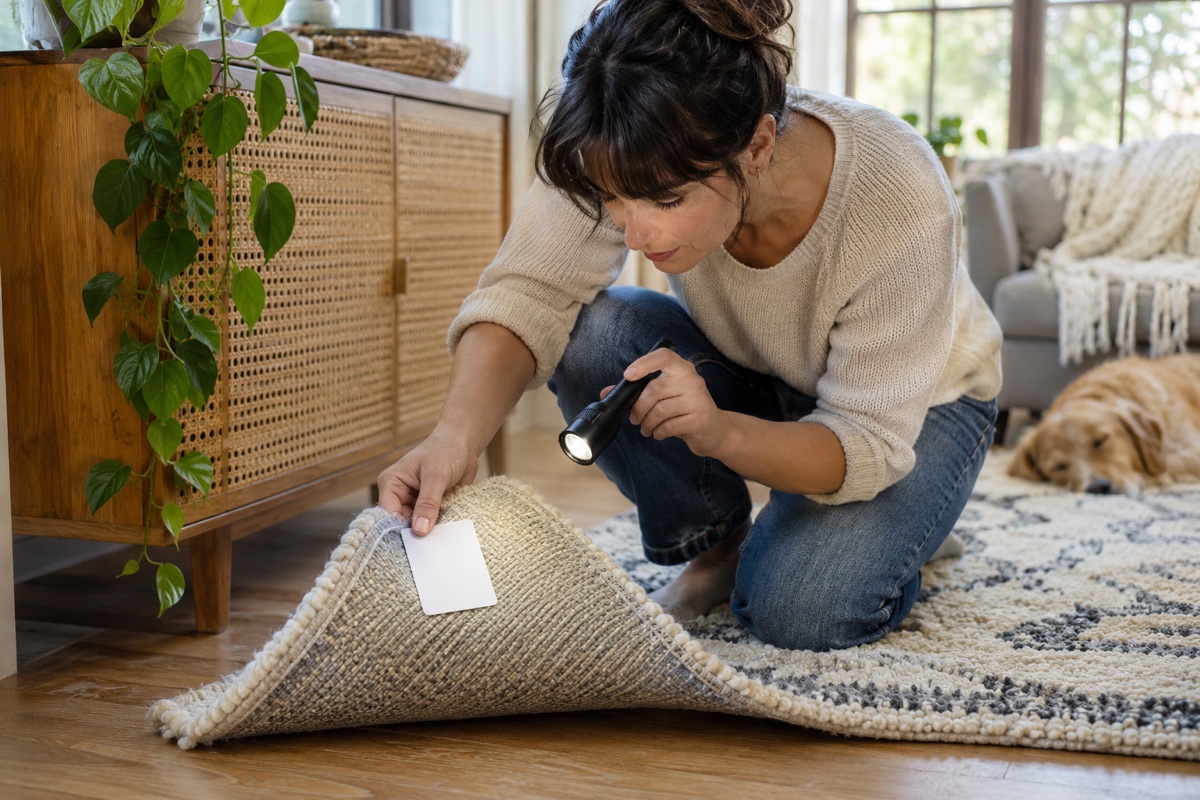
A tiny dark insect beside a carpet could be a flea, a carpet beetle or something else. Find out where it was and how it moved, then look for evidence around it. Fleas and carpet beetles need different kinds of follow-up, so a specimen or a clear close-up can save you from treating the wrong problem.
Compare the adult insects and their traces
| Feature | Fleas | Carpet beetles |
|---|---|---|
| Adult | Wingless, flattened from side to side; can jump. | Rounded or oval with hard wing covers; colour varies, including dark or mottled species. |
| Larvae | Pale, legless and wormlike, usually sheltered near animal resting places. | Often visibly hairy; shed skins may remain around feeding sites. |
| Where to look | Pet coat, bedding, nearby floor edges and upholstery. | Wool, fur, feathers, stored textiles, lint and dead insects; adults may appear at windows. |
| Useful traces | Live adults or flea dirt on a comb; inspect the animal and resting areas together. | Larvae, shed skins and irregular damage to susceptible natural-fibre materials. |
| Skin effects | Adults bite. | They do not bite; contact with larval hairs can irritate some people’s skin. |
Colour and skin symptoms alone cannot reliably distinguish these pests. Small larvae may be difficult to see without close inspection. Seek healthcare advice for persistent or worsening skin symptoms.
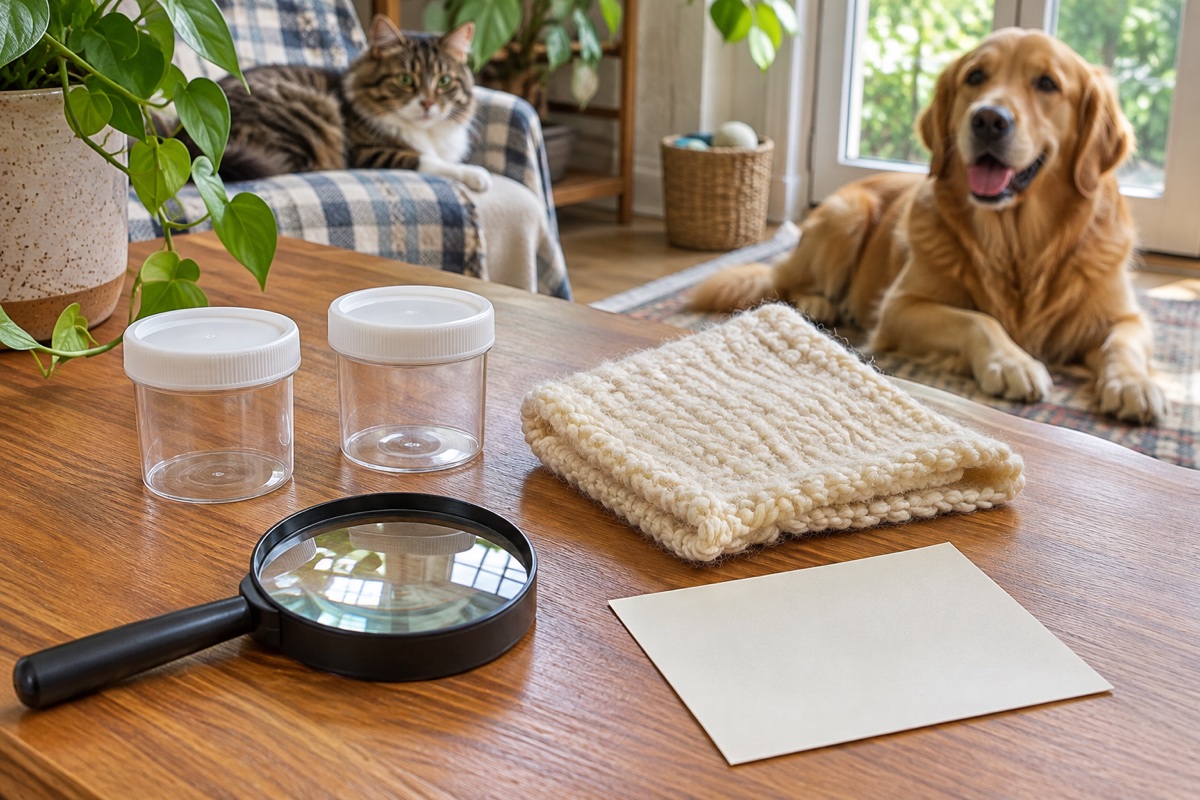
Try to save the insect in a clean container. If you can only photograph it, set the camera close enough to see its outline and include a ruler or other familiar item for scale. A photo from above and one from the side can help distinguish a rounded beetle from a laterally flattened flea. Note where it was found. A pest professional or local extension office can help identify a specimen. You can also compare it with the flea identification guide.
Keep different findings separate. For example, label one container “oval insect, sunny window ledge” and another “jumping insect, cat blanket,” with dates and room names. Match each photograph to its container. Two pests can occur in one home, and one identification does not settle the other finding.
Search two different kinds of places
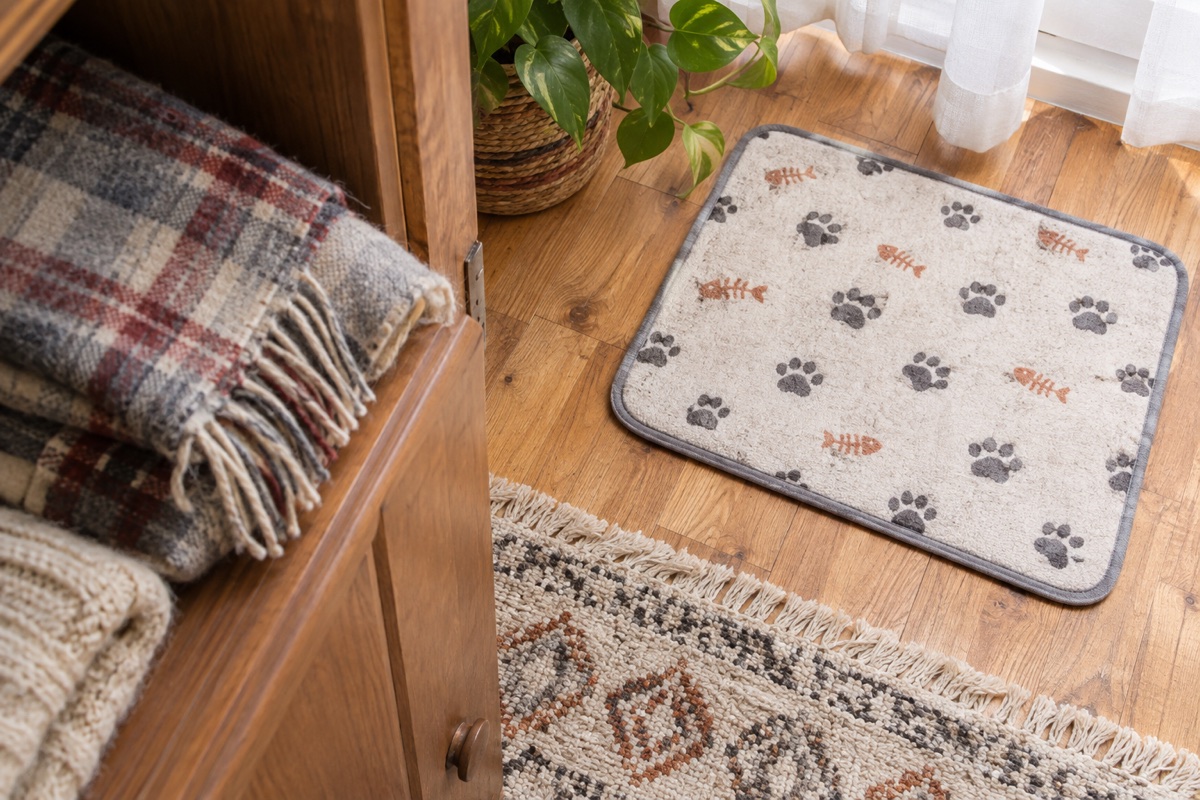
For suspected fleas, start with places an animal uses. Inspect pet bedding, the nearby floor edge, the underside of a throw rug and seams where the pet sleeps on upholstered furniture. Use a flea comb on your dog or cat and record any live insects separately from dark debris. If the home has no pets, consider visiting animals, previous occupants or other animal activity near the building.
For carpet beetles, check wool rugs along the edges and beneath furniture where they’re rarely disturbed. Inspect stored woolens, natural-fiber clothing and items filled with feathers. Look for larvae, shed skins and recent damage. Check places where hair, lint and dead insects have built up, such as beneath a radiator or behind a wardrobe. Finding an adult beetle at a window gives you a reason to look for the larval source elsewhere in the room.
Make a note of what you find and what each finding was next to. “Small oval beetle at the window” and “hairy shed skin under a wool rug” are two observations that can be evaluated together. If you only have itchy skin or unidentified specks, inspect again before using a pesticide. Keep using the separate records described above so you can tell which measures helped.
An older rug can make both searches harder because worn fibers, pet hair and household debris collect along the edge. Begin at a place you can uncover safely, such as the corner near a chair leg. Inspect the rug and then look at the blanket or pet bed in the same room. Photograph any damage while the material is still in place. An undated close-up of a thin patch gives you less to compare with than a photo that shows exactly where the patch is.
Match the cleaning to the evidence
If the evidence points to fleas, coordinate cleaning in pet resting areas with a suitable flea-control plan from your veterinarian. Work outward from the places where you have confirmed activity, and recheck the same places. The household flea-control guide explains how to coordinate the work.
If you find carpet beetle larvae or damaged natural-fiber items, start by locating the material they’re feeding on. Follow the item’s care label for laundering or professional cleaning. Vacuum nearby lint and debris, and inspect other items made from similar materials before returning them to storage. Ask a pest professional about an item you can’t safely clean or an infestation that appears to extend into inaccessible spaces.
Follow up by looking for the same kind of evidence that led to your decision. For a pet resting area, compare live fleas seen on the comb or at the same floor spot. For a wool rug, look for fresh larval activity or new damage at the same edge. Record any new damage in a different textile separately, even if flea sightings are falling. Bring dated photos or specimens if you’re still unsure which insect you have.
Sources
- UC Integrated Pest Management guide to carpet beetles
- UC Integrated Pest Management guide to fleas
- CDC flea identification and life cycle

