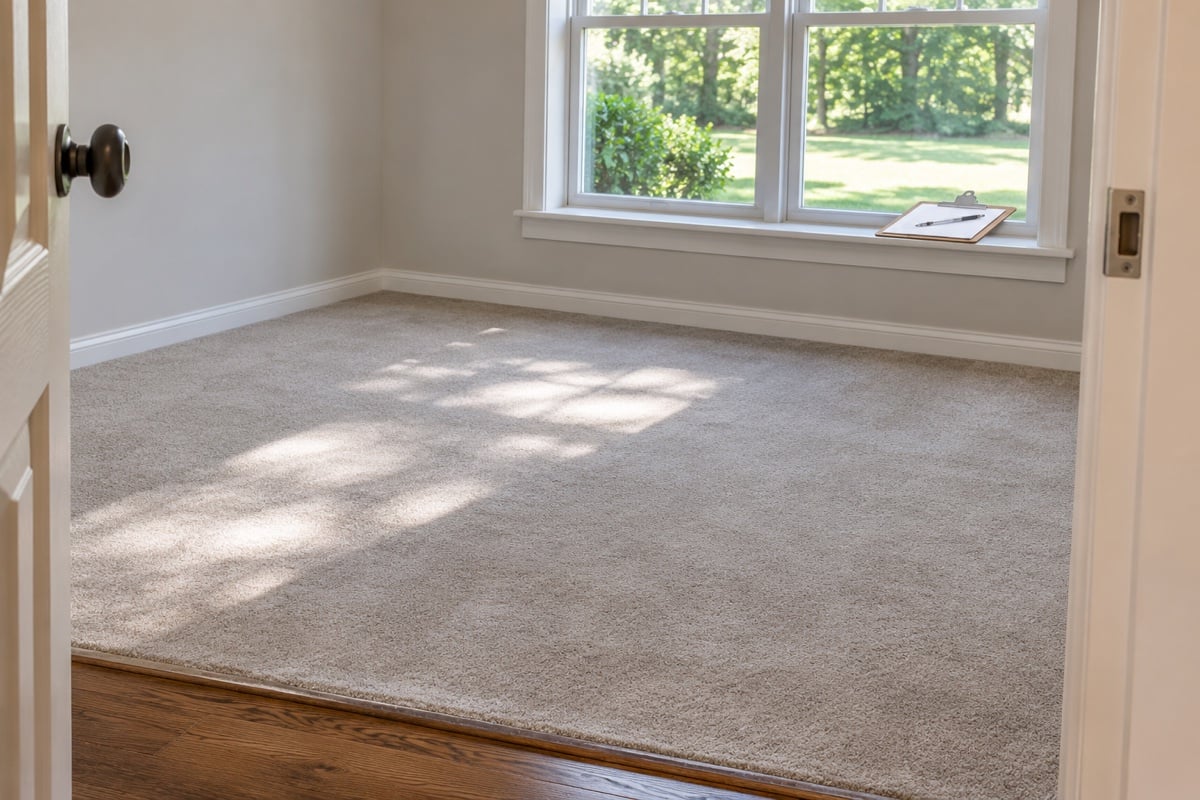
An empty rental is easier to inspect before boxes cover the edges of the rooms. If the previous occupants had pets or you spot a jumping insect during the walkthrough, record what you see and ask the property manager about an inspection before you unload soft furnishings. Use the empty floor plan to identify exactly where activity appears.
Arrange a walkthrough before the moving truck arrives
Ask for a time when you can walk through the unit with the manager or take dated photos for the move-in checklist. Bring a flashlight, a sealable specimen container and your phone. If you can, leave your dog or cat with someone else during this short check so you can see the room as it is and keep the animal out of any area awaiting inspection.
Ask whether the unit has had recent pest work and, if so, whether there are written instructions about entering, cleaning or placing rugs and furniture. A freshly cleaned carpet or an empty room offers very little information about whether fleas were present. Adult fleas can emerge from protective cocoons after activity returns to a vacant room. Movement and other signs of a nearby host can prompt emergence. The length of the vacancy alone does not establish whether the room is clear.
If the unit includes furnishings, find out what stays. Photograph the couches, rugs and beds that came with the rental so you can distinguish them from belongings you bring in. Note obvious areas you cannot reach or inspect, such as the floor under a fixed bench or a locked utility closet. Leave opening and moving those areas to someone with permission and the equipment to do it safely.
If you have two walkthrough dates available, use the earlier one for the inspection and the later one to confirm what the manager did. Ask whether the carpet is being cleaned between visits and whether furniture will be shifted. Take a wide photo of the empty room from the doorway and a second photo of any spot you want them to check. The pair helps identify a corner even after the staging furniture moves. Record the room name and the time you were there so the dates in the photos have some context.
Ask whether storage space and a private entry are included in the unit. A ground-floor rental may have a small enclosed porch with a separate mat, while a furnished unit may have a cupboard with spare throws. Put any of those places you can see on the walkthrough sheet. If you cannot get into a space, add it to a list of questions. This helps you distinguish what the inspection covered from what remains open before you decide how to unload.
Look at the edges and the places an animal could have rested
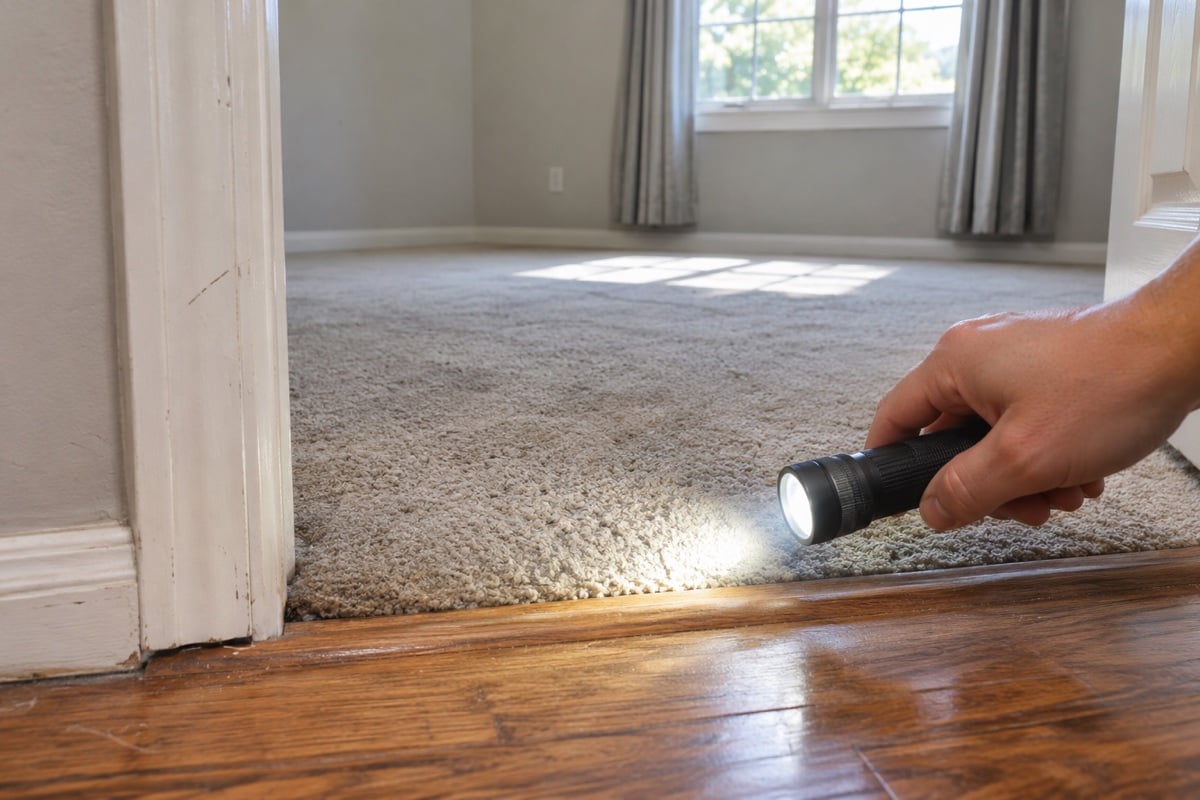
Start with any room that has carpet or a rug. Follow the wall with your flashlight and check the edge where carpet meets hard flooring. Look around the base of furnished seating and in quiet corners under windows, where a previous animal might have slept. If a loose rug is light enough to lift safely and the manager allows it, inspect its edge and the floor underneath. Leave installed carpet and trim in place.
Continue into rooms with bare floors. Pay attention to floor transitions and sheltered areas with hair or lint. A jumping insect seen in the middle of a room may have emerged nearby, so describe the location without assigning the source to the nearest surface. Avoid trying to identify tiny pale material in cracks. Ordinary dust, debris and insect remains can look similar from a distance.
A simple observation might read “September 4, before unloading, one small jumping insect at the bedroom threshold, specimen in sealed cup.” If you can safely take a sharp photo with something for scale, attach it to your move-in notes. A record of skin marks by itself cannot identify fleas. Use the flea identification guide to learn what features are worth photographing.
Record “no insects seen during walkthrough” if that is what happened. Some stages are hard to see and adult fleas may emerge later. The dated observation is more useful than a guarantee about the condition of every room.
Ask for an inspection based on what you found
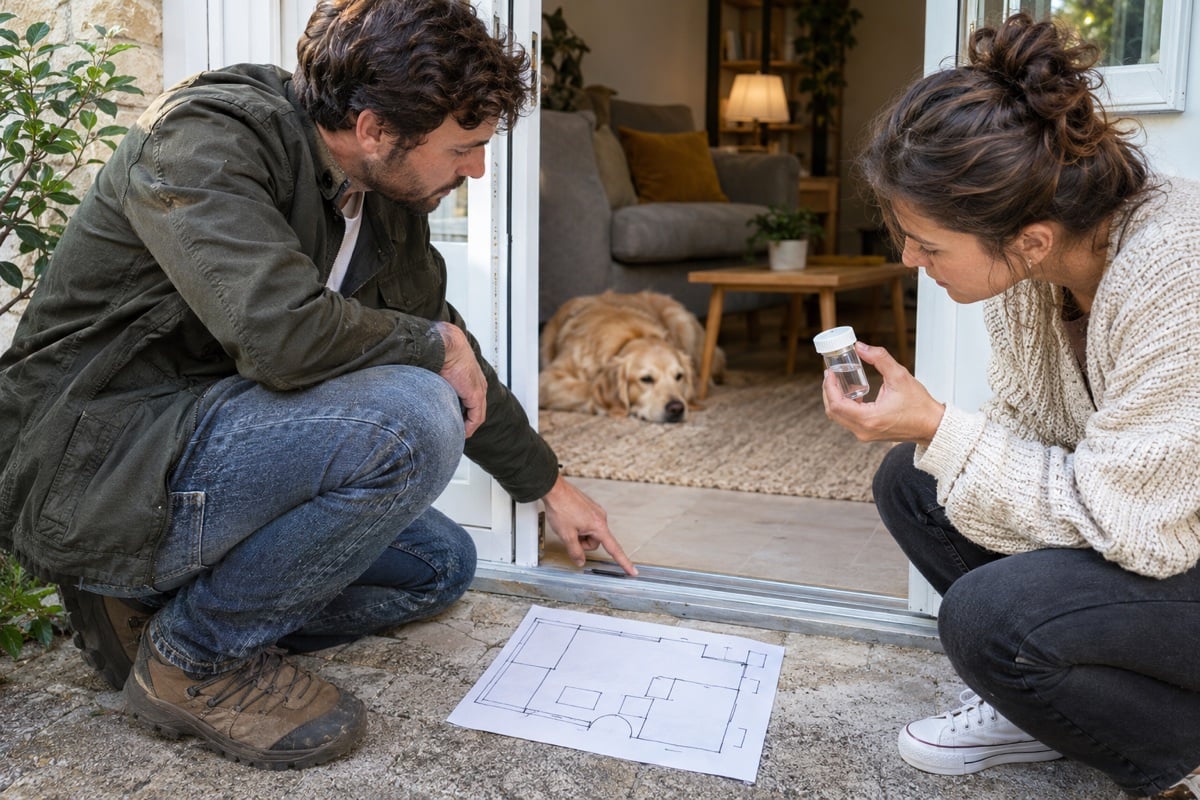
If you see a possible flea, send the location, photo or specimen details and a copy of your inspection notes to the manager. Ask whether they can have the finding identified and when they expect to have an answer. If the insect was in a room with furniture that came with the rental, mention that separately. You can use a message like “We have not unloaded. We found one jumping insect at the bedroom threshold. Can someone inspect that room and the adjacent furnished sitting area before we bring in bedding?”
Ask for written information about any treatment being considered, including the planned rooms, preparation and re-entry instructions. Report pets and aquariums if you will be moving them in. If there is no clear evidence, ask how the manager would like you to report anything that appears after arrival. The guide to investigating a suspected flea infestation explains why an identified specimen and repeated observations are more useful than a guess.
Match your unloading plan to the information you have
If there is confirmed activity or an inspection is pending, ask which rooms can be used in the meantime. Consider postponing soft furnishings in the affected room if your move allows it. If you have to unload, keep bedding and washable textiles in closed containers and arrange the boxes so the inspector can still reach the marked floor edges. Check with the manager before choosing an area for temporary storage.
Once you move in, recheck the same locations and note any new sightings, with the date and room. Save the move-in observations separately from later findings. That gives the property manager a clear sequence to work from if activity develops. If you have pets, discuss an appropriate prevention plan with your veterinarian and record animal findings separately from anything seen on the floor. Use the guide to fleas in a home without pets if you need help thinking through possible sources.
If your truck arrives before the inspection, divide the load by what you actually need that night. Bedding and an outfit can stay inside closed clean bags until you have a place to put them. Keep the pet carrier and the animal’s usual supplies easy to reach. Put only what you need in the agreed room and leave a clear path to the wall or threshold that needs checking. Ask where the inspector wants you to leave any furnishings that came with the unit.
Say the manager checks the bedroom and finds a live flea at the threshold. Ask whether they also inspected the adjoining sitting room and whether they want the included rug left where it is. On your own sheet, date the finding and write down which room they cleared for unloading. If they can only inspect later, tell the movers in advance which space is available so they can set down belongings without blocking that threshold. The names on the boxes can still show their final rooms even if the unloading arrangement is temporary.
Sources
- CDC overview of the flea life cycle
- University of Maine Cooperative Extension flea guide
- UC Integrated Pest Management guidance on rental-property pest monitoring
- UC Integrated Pest Management guide to fleas

