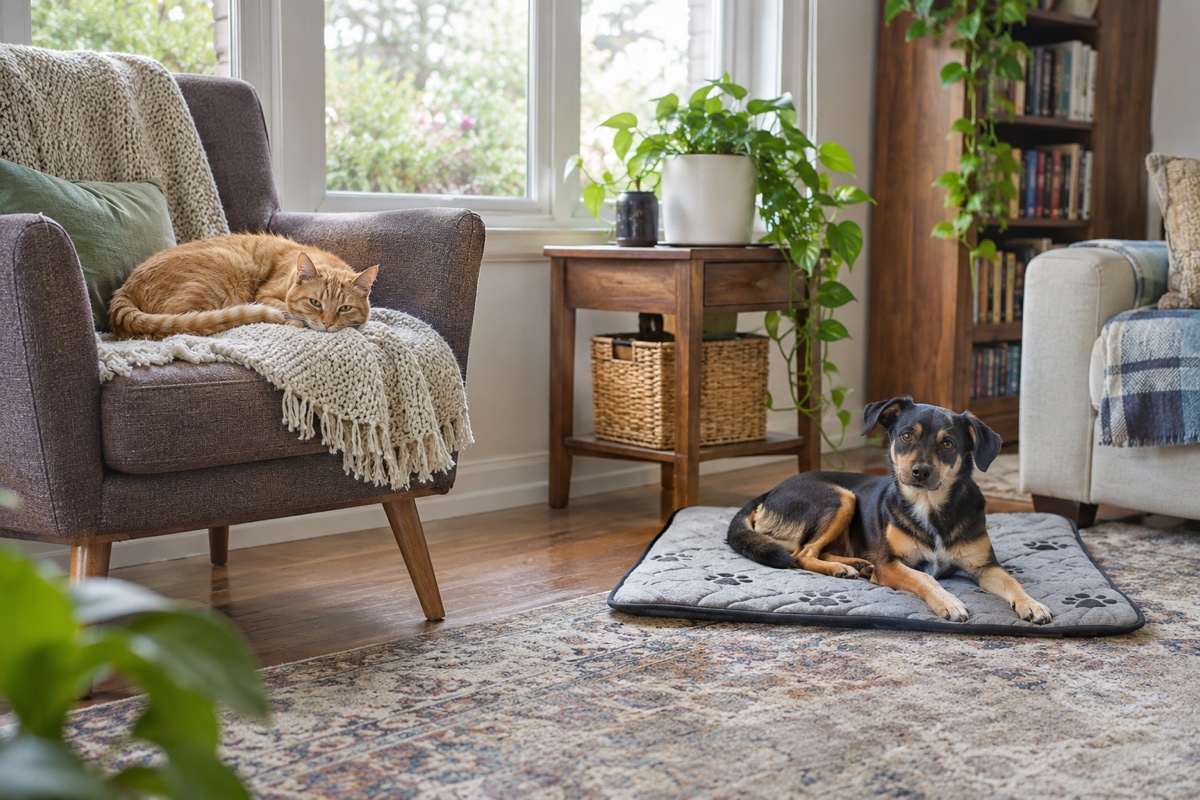
If you find fleas on your dog and your cat looks perfectly comfortable, make a plan for both animals. The same common flea species can live on dogs and cats, and both can use the same couch, rug or bed. Your veterinarian can help you choose a suitable product for each animal and plan how to use the products safely in one home.
If a dog-only flea product has been applied to your cat, your cat has contacted a freshly treated dog contrary to the label instructions, or either pet becomes unwell after treatment, call a veterinarian or emergency veterinary clinic promptly and have the package available. Tell them the product name, when it was used and whether it went directly on the cat or the cat contacted a treated dog. Follow their instructions for what to do next.
Keep separate records for each animal
Keep a separate record for each pet with:
- Name, species and current weight.
- Full product name and strength, with its package or a clear label photograph.
- Last confirmed dose date and the next date prescribed or required by that product.
- Relevant health conditions, other medicines and previous reactions to discuss with the veterinarian.
If someone else gave a treatment and the record is unclear, check with them or the clinic before another dose. An invoice saying only “flea prevention” is not enough to identify a formulation.
It helps to separate the products physically as well as on paper. Keep each one in its original labeled packaging and store it away from children and animals. At treatment time, read the pet’s name on your notes and match the species and weight range on the label. Do this even if you recognize the brand. Manufacturers may sell several formulas under similar names. Some products labeled for dogs can be dangerous to cats.
If you have several people caring for the animals, make one person responsible for recording doses. Put both pets’ next treatment dates on a shared calendar and mark them complete only after treatment. The dates can be different. The job is to prevent gaps for either animal while following the instructions for its own product. Start with the guide for dogs and the guide for cats if you need background for a vet visit.
If you sometimes leave the pets with a neighbor, put the two schedules on separate lines and leave a contact number. Include the products already given and who can answer questions if the records disagree. If a dose comes due during the stay, work out with your vet and caregiver who will give it and how they will record it. The same list can go to a boarding facility.
Think about how your pets interact
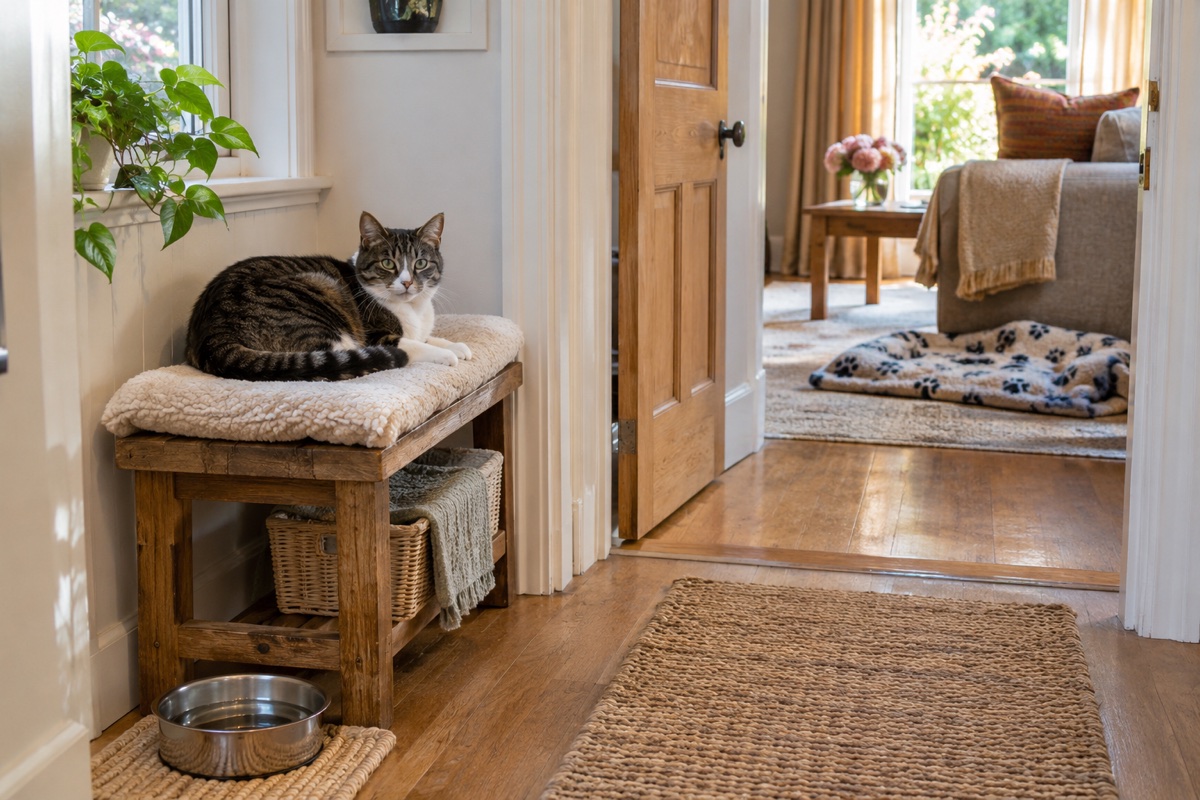
Does your cat lick your dog’s coat? Do the two animals squeeze into the same bed or brush past each other under the table? Tell your vet about these habits before you choose a spot-on or spray. Read the label for the exact product, including any directions for keeping other animals away after application. Treat one pet at a time so you can keep track of which product you used and where you put it. Plan in advance how you will keep the pets apart for as long as their directions require.
You may need a room with a closed door and a familiar bed while a topical product dries or for the label’s specified period. A feeding schedule or separate space can make it easier to supervise the pets. Ask your vet to help choose an option that fits your household if you can’t reliably separate the animals. Avoid adding a shampoo, collar or second product to either pet’s plan without checking first.
Try walking through the separation plan before you treat either animal. If the cat has a quiet bedroom but the dog usually pushes that door open, see whether the door latches securely and explain the plan to everyone at home. Put the cat’s usual water and resting place inside. Work out which household member will open the door after the time specified on the label. If the room setup won’t work, ask the vet about the options before treatment day.
Check the places both pets use
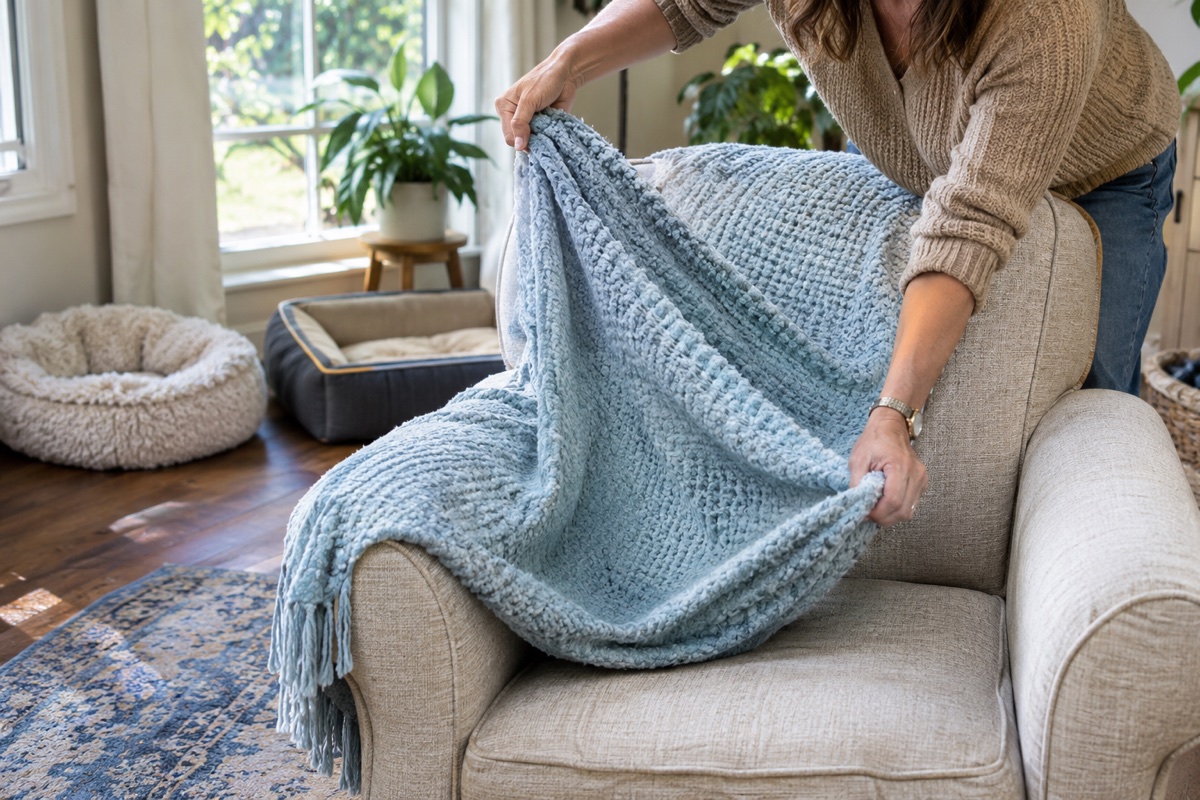
Make a short list of shared resting spots, even if each pet has its own bed. One might use the couch at night and the other during the day. Check the seams, floor edges and rugs around those places. Also check separate resting spots, such as the cat’s tree or the dog’s crate. Vacuum reachable surfaces and wash washable bedding according to its care instructions. The household control guide explains where to focus cleaning.
Use a flea comb on each pet if it tolerates combing. Keep the results separate. For example, “Tuesday, dog, two live fleas near the base of the tail” and “Tuesday, cat, no fleas seen on comb” are more useful than a single total. Record anything you find in the room separately. A comb check samples what you can reach at the time. An empty comb on one pet is a reason to keep checking, especially if live fleas are still appearing around the home.
Watch what the pets do over the course of an ordinary day. In one home, the cat may use the upstairs chair until lunch, then nap on the dog’s folded blanket after the dog moves into the sun. That would put the chair and the blanket on the first cleaning route, along with the floor underneath. If you only look at the places where the animals settle at bedtime, you may miss a favorite daytime spot that gets used by both.
Check how the whole household is doing
Look at the records together a week later. Did both animals stay on their own treatment schedules? Are fleas still appearing in the shared spots or only on one pet? Check whether there’s a location you missed, like the blanket in the car or a chair the cat sleeps under. Share the notes and product details with your vet if either pet keeps scratching, develops sores or continues to have fleas. For help reading changes over time, see the guide to fleas after treatment.
Sources
- EPA guidance on flea and tick control for pets
- FDA guidance on using flea and tick products safely
- Companion Animal Parasite Council flea guidelines
- UC Integrated Pest Management guide to fleas

