
Rabbits can have fleas, especially when they share a home or resting environment with other animals. Itching can also be caused by mites or another skin problem, so identify the cause before treating. A rabbit needs its own plan: a dog or cat product, home powder or bath is not automatically suitable for a bunny.
Treating your rabbit for fleas
Talk to a veterinarian familiar with rabbits before using flea medicine. Some treatments are used off label under veterinary direction, with the dose and formulation chosen for the individual animal. Do not work through home remedies first while a rabbit remains uncomfortable. The six options below explain what can help, what has limitations and what to avoid.
1. Flea and tick combs

A flea comb can help you find and remove adults without applying a product. Support the rabbit securely and comb gently in short sessions, avoiding sore skin and mats. Inspect what collects over a pale surface and keep a specimen if identification is uncertain. Combing helps with monitoring and immediate removal, but it does not clear the environmental stages or provide continuing protection by itself.
2. Diatomaceous earth
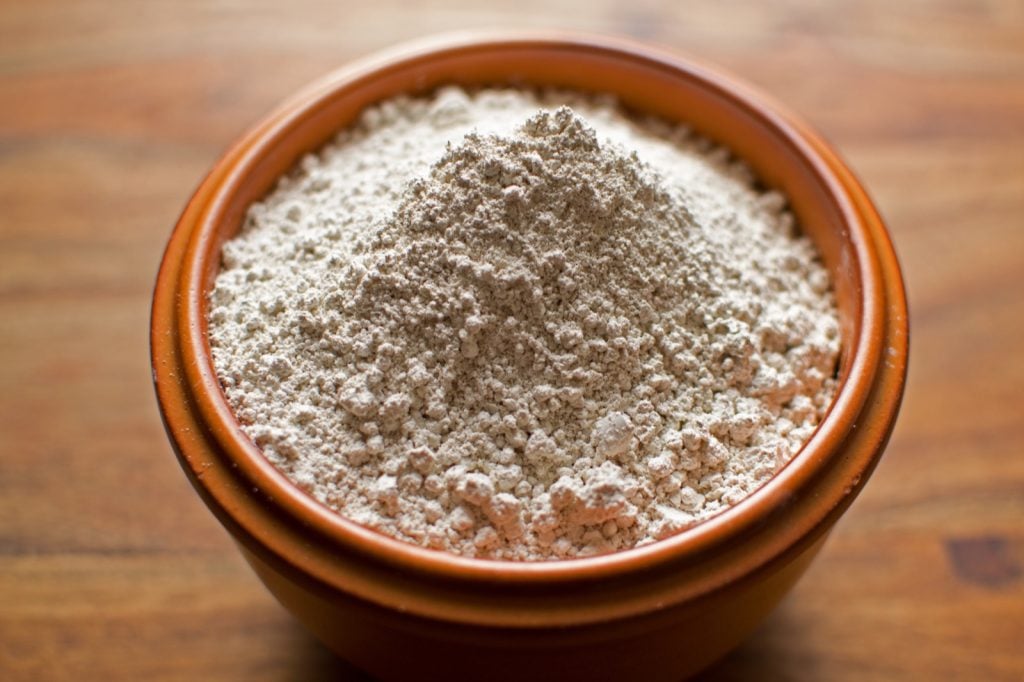
Diatomaceous earth is not a routine coat treatment for rabbits. “Food grade” does not make airborne dust safe to inhale or establish that it belongs in a rabbit pen. Insecticidal dusts affect insects through contact and water loss; they are not a harmless way to make fleas unable to breathe. Keep loose powder off the rabbit, hay, feed and accessible bedding, and ask the veterinarian before any environmental product is used around the enclosure.
3. Apple cider vinegar

Apple cider vinegar is often suggested online, but it is not an established treatment for a rabbit flea infestation. A homemade mixture has no reliable dose, duration or evidence that it interrupts the life cycle. The rabbit’s skin and normal drinking habits are more important than making its coat smell like a proposed repellent.
Do not spray a half-vinegar solution onto the rabbit or add vinegar to its drinking water for flea control. It may irritate skin or alter water intake without solving the infestation. Provide normal fresh water, keep the living area clean and arrange a treatment suited to the animal. If a product has already caused irritation, stop using it and seek veterinary advice.
4. Topical ointments

Your veterinarian may consider a suitable medicine such as selamectin or imidacloprid, depending on the animal, product and local authorisation. That is not permission to split a cat tube by guesswork. Do not use fipronil products such as Frontline on rabbits: fipronil can cause severe toxicity. Product concentration and active ingredients matter, not simply the rabbit being “too small” for a dog dose. Discuss exact dosing and monitoring with the vet.
5. Flea powders
Flea powders have different ingredients and intended uses. A powder sold for a carpet, dog or garden is not a rabbit medicine. Avoid loose dust on the coat or in food and bedding, and do not assume that a herbal or “all-natural” product is suitable. Ask for a specific product and instructions if a veterinarian believes a powder has a role.
Concentrated scents and essential oils can also be unsuitable, including mixtures the rabbit may lick while grooming. Smell does not demonstrate repellent protection. If the bunny keeps scratching, check the diagnosis and treatment plan rather than adding another scented powder or spray.
6. Dawn dishwashing soap

Dish-soap bathing is not a routine rabbit flea treatment. Rabbits generally do not need baths, and getting thoroughly wet can cause stress and make safe drying difficult. A product being used for wildlife clean-up does not establish that a household flea bath is suitable for your rabbit.
Do not dip or soak the rabbit to remove fleas. If the animal is soiled or needs cleaning for a medical reason, ask the vet how to clean the affected area safely. Keep handling calm and support the body; a struggling rabbit can injure itself. Use gentle comb checks and the prescribed parasite plan instead of a detergent recipe.
Three-step method to get rid of fleas
Treat the rabbit and the source in a coordinated way. Flea eggs can fall into bedding and other resting sites, and other animals may provide continuing exposure. There is no need to finish the entire yard before helping the rabbit. The three parts below can proceed together with veterinary guidance.
1. Get rid of fleas in your yard

Investigate outdoor exposure if relevant, including sheltered places where animals rest. The yard guide explains the options, but the whole lawn is not automatically infested. Keep any treatment away from the rabbit, grazing areas and feed as its label directs, and check with the vet about the enclosure.
2. Treat your home

For the home, wash suitable bedding and covers and vacuum accessible resting sites and edges regularly. Keep the rabbit in a clean, dry, suitable space while its usual area is being cleaned. If a premises product is required, check its exact use and re-entry conditions with the professional and veterinarian; do not simply scatter DE over carpets and the enclosure.
3. Protect all your pets
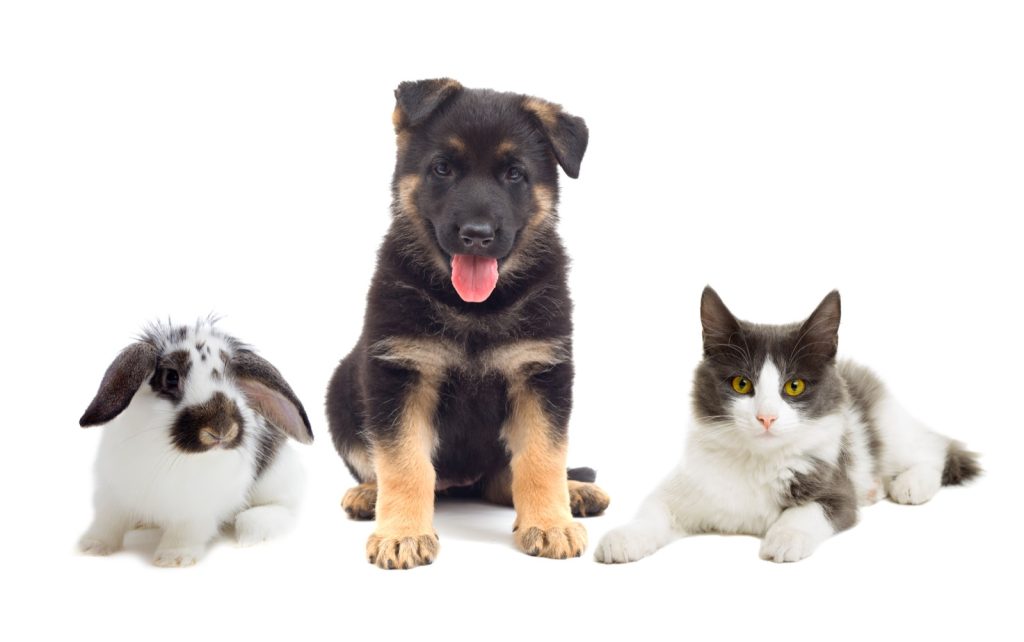
Coordinate suitable treatment for the other pets at the same time. A product appropriate for a dog or cat must not be transferred to the rabbit. Fleas can harm animals, and a rabbit that is weak, pale, eating less or passing fewer droppings needs prompt veterinary attention rather than a wait for home cleaning to work.
Products to avoid using for flea treatment on rabbits
You want to help your bunny, not hurt him, so here are some products you should avoid, that are proven to be dangerous to rabbits.
Flea collars
Do not put a flea collar on a rabbit. Veterinary references advise against these collars, and fit, chewing and product exposure create additional problems. An experience with a dog’s collar does not establish suitability for a rabbit. Ask for an individual plan instead of adapting a collar or cutting off a piece.
Flea dips
Avoid flea dips and routine full-body bathing. Both the product and the handling/wetting process can be unsuitable for rabbits. If a groomer proposes a dip, discuss it with your rabbit veterinarian first. A medical cleaning procedure, if needed, should have specific instructions rather than copying a dog or cat flea bath.
Making the right choice

For a rabbit that cannot stop scratching, arrange an assessment and use gentle combing only if it is comfortable. Fleas, mites and other skin problems need different care. Bring a specimen or clear close-up, the rabbit’s weight and details of every product already applied so the vet can choose an appropriate treatment.
Follow the prescribed plan and keep cleaning and monitoring the relevant resting sites. Do not move from unsuccessful combing to DE or vinegar as an automatic next step. Record treatment dates and seek follow-up if live fleas or itching continue. Prompt, rabbit-specific care is the most useful way to protect the bunny’s comfort and health.
Sources
- VCA Animal Hospitals: Fleas in rabbits
- RSPCA: Caring for rabbits
- CDC: Getting rid of fleas
- Merck Veterinary Manual: rabbit parasites and flea treatment
- Rabbit Welfare Association: bathing rabbits

