
Flea eggs are easy to overlook when all your attention is on the fleas jumping around the house. Along with larvae and pupae, they’re a hidden part of the problem. A feeding female cat flea can lay around 20–50 eggs a day, so killing only the adults you see leaves more fleas developing out of sight. The balance of eggs, larvae, pupae and adults varies between homes. To break the flea life cycle , combine suitable pet treatment with regular cleaning and, when needed, a household product labeled for the job. An insect growth regulator, or IGR, acts on developing stages, so check the exact formula and where it can be used. We’ll come back to that below.
What do flea eggs look like?
Flea eggs can be hard to spot as they are about half a millimeter long, white and sometimes even transparent. Some people think they look like small grains of salt or dandruff. The first place to find these is on your pets, but they quickly roll off and land all around in your home. Don’t confuse the flea dirt or flea droppings you find on your pets with flea eggs. Flea dirt is dark fecal material, while the eggs are pale and smooth. Eggs don’t adhere firmly to the coat. They fall off easily and land on carpets, couches, beds and so on. They will also fall off when your dog or cat scratches itself, and this will happen often when the flea bites start to itch.
How to get rid of flea eggs
When I got my first flea infestation, I searched all around the internet for ways to get rid of it. Some seemed to work: the fleas disappeared for a while, then came back. Months passed as I fought what felt like one infestation after another. Then I found a spray that acted on developing fleas as well as the adults. That taught me to think about what was still growing around the house, instead of treating every new adult as the start of a new infestation.
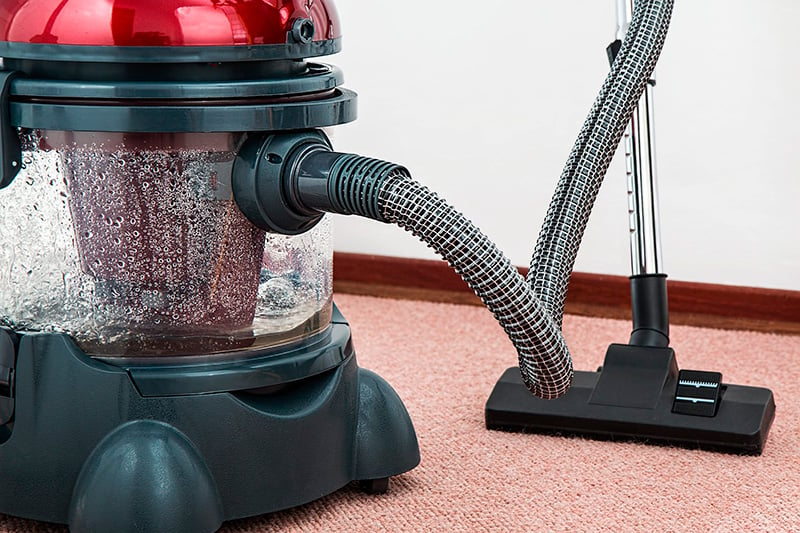
Start by washing affected bedding, blankets and covers according to their care labels. Vacuum suitable floors, carpets, furniture and the edges you can reach, especially where your pets rest. During active control, aim to vacuum these areas daily or every other day; one pass won’t collect every egg. If a treatment has already been applied, follow its cleaning instructions. An untreated pet can keep adding new eggs too. If a household spray is needed, you may come across the name IGR flea spray —IGR stands for insect growth regulator. Check whether the product is labeled for the actual pest and surface before treating a resting area, carpet or piece of furniture. Follow preparation, exposure, drying and re-entry instructions. Don’t spray a pet, mattress or bedding with a household product unless that exact use is permitted.
An IGR does a different job from an adult-flea treatment, although some sprays combine both. Read the ingredients and claims instead of expecting everything called ‘IGR spray’ to cover the same stages.
If the infestation is heavy or keeps coming back, ask a qualified professional to help you plan targeted treatment. Read the limitations and precautions for flea foggers before considering one: they don’t reliably reach every protected development site. Steam cleaning on compatible materials can be another supporting method, but its effect depends on equipment and contact; it isn’t an instant, universal solution.
Remember to treat your pets
My preferred first check is a gentle session with a flea comb. It helps find adults and flea dirt, but doesn’t provide ongoing protection. Ask your veterinarian about treatment suitable for each animal’s species, age, weight and health.
Read the instructions for flea drops or another selected product carefully. Do not automatically add a flea-shampoo bath immediately before or after a spot-on treatment: the appropriate bathing and application sequence depends on the exact products. Avoid combining treatments without advice.
Step-by-step guide to getting rid of flea eggs
Take action now and get rid of fleas and flea eggs by following these steps:
- Wash affected washable bedding and covers according to their care instructions.
- Vacuum suitable floors, carpets, furniture and edges, especially around pet resting places.
- If household treatment is needed, choose a product labeled for the flea stages and locations you’re treating, and follow all precautions.
- For persistent activity or a heavy infestation, review identification and targeted treatment with a qualified professional.
- Comb pets gently to check for adults and flea dirt; clean the comb and working area afterwards.
- Ask whether bathing is appropriate and follow any bathing restrictions on the pet’s treatment.
- Coordinate suitable treatment and prevention for every affected pet, with the correct product schedule.
- Have that cup of coffee, then keep checking and following up. A good first cleanup is a useful start, even though developing fleas may still be hiding.
That’s why eggs deserve attention alongside adult fleas and your pets’ treatment. Keep at the plan and review it if you continue seeing activity. A single cleanup won’t guarantee success, but dealing with the problem early is easier than letting more fleas develop while you wait.
Sources
- CDC DPDx: Fleas
- University of Minnesota Extension: Fleas
- CDC: Getting rid of fleas
- FDA: Safe use of flea and tick products in pets
- University of Florida IFAS: Cat flea eggs and development
- UC IPM: Flea development and coordinated control

