
A flea trap is worth discussing alongside the other flea-control options because it can help you see where adults are emerging. Light-and-sticky-pad traps catch some adult fleas; they do not lure larvae out of carpets or clear an infestation alone. The main value is monitoring activity while appropriate pet prevention and cleaning interrupt the life cycle.
What flea traps can and cannot do
Sticky-pad traps can monitor adults without applying an insecticide to the room. They do not catch eggs, larvae or protected pupae, and a promise of catching 90% of every living flea stage overnight is not justified. Keep electrical equipment, bulbs and adhesive away from children and pets and follow the manufacturer’s location and maintenance instructions.
There is no guarantee that one trap clears a room of any size. Catch rate depends on the design, placement, competing host cues and flea activity. Position it near suspected activity or pet resting areas as instructed, check it regularly and replace dirty or used adhesive at the recommended interval. If you move it between rooms, record the dates so changes in catches are not confused with changes in location.
Do flea traps work?
A trap is useful as an extra monitoring tool, especially where newly emerged adults may be appearing. It still needs checking, and a zero catch does not prove there are no fleas. Choose a safe position where pets cannot lick the glue, children cannot play with the bulb and the power lead does not create a trip hazard.
Traps usually cannot eliminate an established infestation on their own. Fleas may respond more strongly to an animal than a nearby trap. Treat each pet appropriately, wash bedding and vacuum resting areas. A premises insecticide or IGR may be justified in some cases, but the trap does not make routine chemical spraying necessary. Use falling catches as one sign of progress alongside comb checks and the overall trend.
5 reasons why you should use flea traps
- They can reveal some adult-flea activity in a room.
- They help identify where catches are concentrated.
- Repeated checks in the same position can show a trend over time.
- Replaceable sticky pads allow inspection without handling live fleas directly.
- They can support a coordinated plan without adding a premises insecticide, provided the equipment is used as directed.
Homemade flea traps
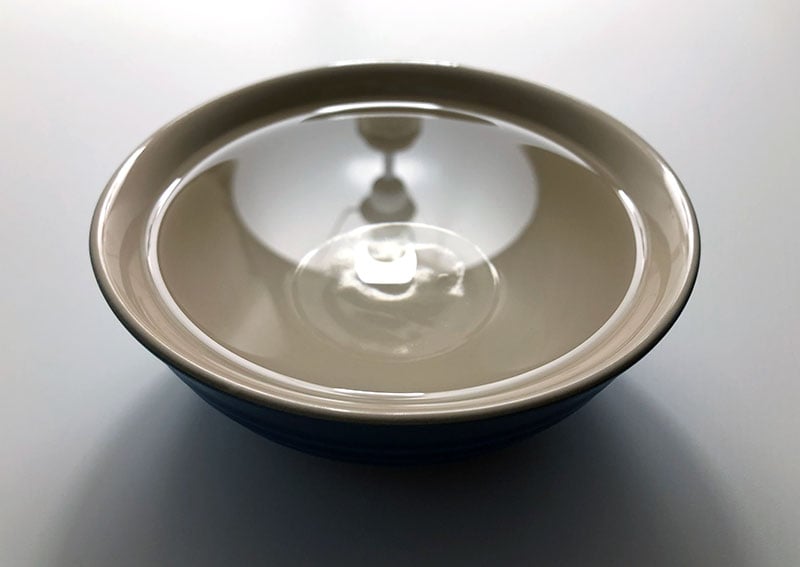
Commercial traps commonly use a light source and a replaceable adhesive disc. The device catches some host-seeking adults rather than sterilizing the room. Homemade water traps are also widely suggested, but they introduce spill, pet-access and electrical risks if a household lamp is placed beside a dish. Vinegar and fruit are not necessary flea attractants. A purpose-built trap is generally easier to position and inspect safely; never use an open flame near bedding or put a non-waterproof light into water.
Before attempting a homemade trap
- Avoid mixing vinegar and dish soap as though the mixture were a room repellent. Soapy water is useful for fleas removed with a comb, a different purpose.
- Do not put electrical lamps, battery lights or candles into a bowl unless the device is specifically designed for that use.
- If using a commercial light trap, follow its assembly and floor-placement instructions and keep it away from children and pets.
- Inspect catches and record the location and date. Continue the pet and cleaning plan regardless of one night’s result.
Pros and cons of using homemade flea traps
There are obviously many good reasons to use flea traps, let’s look at both the pros and cons:
Pros
- Monitoring some adults can be inexpensive and helps you investigate activity.
- Sticky-pad designs avoid spraying insecticide over household surfaces.
- A consistent location and checking schedule can help assess progress, alongside evidence from the pets.
- Comparing replacement-pad cost and maintenance makes it easier to choose a practical device.
Cons
- Neither homemade nor commercial traps reliably catch every adult or affect all immature stages.
- Animal hosts can compete with the trap, and water, glue, bulbs and electrical leads still require sensible placement and supervision.
Two flea-trap designs to compare
The two designs below are examples to compare, rather than a current independent ranking. Check the exact model, local electrical rating, refill availability and instructions before buying.
Safer Brand’s Victor flea trap
Victor’s light-and-adhesive design uses a replaceable glue disc. The M230 instructions specify replacing the adhesive disc every two to four weeks regardless of catches, unplugging before maintenance and using the specified seven-watt, 120-volt candelabra bulb. Match the electrical rating to the country and actual model. Its instructions also call for placement near pet activity and keeping children and pets away from electrical hazards. Compare the initial price with the cost and availability of compatible refills. A sales rating or large number of reviews does not establish that a trap replaces pet prevention or clears every room.
Aspectek odorless flea trap
Aspectek’s Sticky Dome design also uses light, warmth and an adhesive disc to monitor and capture indoor fleas. Compare the exact model’s instructions, stability, lead placement and refill supply with the other design. Treat “odorless” or “non-toxic” marketing as separate from electrical safety and from evidence of complete infestation control.
If you want to compare one of the original listed designs, the Amazon listing is here. Confirm the current model and instructions, then use it to monitor progress as part of the wider plan.
Sources
- FDA: Safe use of flea and tick products in pets
- University of Minnesota Extension: Fleas
- CDC: Getting rid of fleas
- Texas A&M AgriLife: managing fleas
- Victor: flea-trap instructions
- Aspectek: Sticky Dome design

