If you want to reduce pesticide use around the home, start with physical measures: check pets, comb out adults, wash bedding and vacuum resting areas. These can reduce the burden and show whether a control plan is working. They do not make a pet’s blood taste unattractive or guarantee that no additional treatment will be needed.
Do not feed garlic, sulphur mixtures, walnuts or vinegar as flea remedies. Garlic can damage red blood cells in dogs and cats, and none of these is dependable flea protection. Give a balanced diet and fresh plain water. An animal’s health, species, age and exposure determine which preventive is appropriate, not whether it will tolerate a strongly flavored food.
An established infestation can take weeks or longer to control because protected stages remain in the environment. That delay is not evidence that an untested remedy will eventually work. Compare actual flea findings over time. When browsing natural products, look beyond the marketing term and check the exact formulation, permitted species and evidence.
Let’s look closer at some of the natural ways to prevent fleas.
Check your pet for fleas
Natural flea control is also about checking your pet for fleas, flea dirt and flea eggs. The easiest way to do this is with a flea comb. It’s just like an ordinary comb, but with smaller space between the teeth.
Go through the fur systematically, looking for any signs of fleas. Use a bucket of water to clean the flea comb when you find something. If you find small black dots of dirt on the skin, it might be flea feces, also called flea dirt.
Put the findings on a wet piece of paper and look at the color of the dirt. If it changes to red, then you have found traces of fleas on your pet and you need to start the flea treatment process as soon as possible.
Give your pet a flea bath
A suitable pet bath can remove some adults, but an herbal shampoo is not automatically harmless or a lasting preventive. Choose a pet-appropriate formulation, follow its age restrictions and ask about painful or infected skin before bathing.
Follow the actual shampoo directions for wetting, application and contact time. Keep it out of eyes, ears and mouth, and rinse thoroughly. Do not improvise a concentrated ring around the neck to drive fleas away from the head.
There is no universal twenty-minute waiting period for a “natural” shampoo. Too long an exposure may irritate skin. Dry the pet comfortably and avoid repeated baths as a substitute for continuing prevention.
If you use flea drops, check the bathing interval before and after application. Applying immediately after a bath is not appropriate for every product. Ask your vet how to combine grooming with the chosen preventive.
Natural flea control in your home
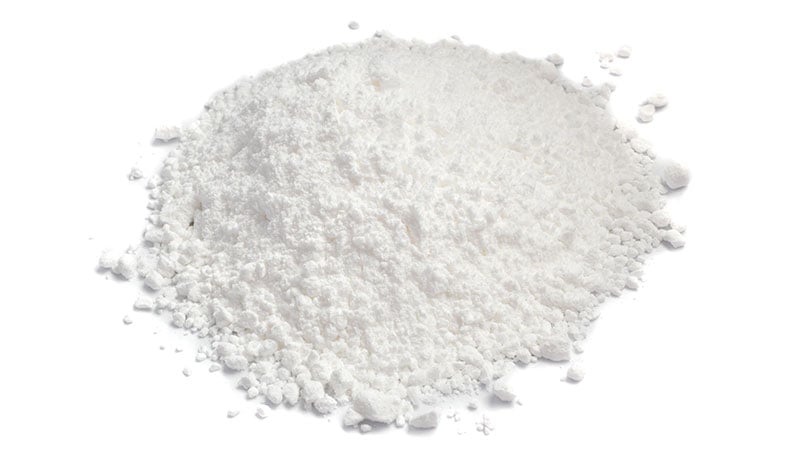
For household control, washing and vacuuming are the most useful low-exposure starting points. Do not make a blanket carpet mixture of diatomaceous earth, borax and salt. These ingredients have different actions, and generic household products are not substitutes for a registered flea pesticide. Diatomaceous earth affects the insect’s protective surface and causes water loss; it is not a guarantee of instant killing of every stage.
Loose dust can be inhaled or licked and can spread onto skin, paws and furniture. “Natural” does not mean nonpoisonous or suitable for leaving on a carpet for days. If a premises product is justified, use only its labeled locations and amount and follow cleanup and re-entry instructions. Do not put household borax on animals or bedding.
No single cleaning step reaches every flea life stage. Washing can remove or kill stages on washable materials, while vacuuming removes some environmental stages. Protected cocoons can still release adults, so repeat appropriate cleaning while continuing the pet’s preventive at its labeled interval.
Five useful checks before choosing a natural treatment
- Is the pest actually identified, and can cleaning or combing address part of the problem?
- Does the exact formulation have evidence for the intended flea-control effect?
- Is it permitted for the animal’s species, age and weight, including young pets?
- Where can it be applied, and what exposure could occur through inhalation, skin contact or grooming?
- How will you monitor progress without adding unnecessary products or applying them too often?
Natural flea control with apple cider vinegar
Apple cider vinegar is often described as an all-purpose pet remedy, but it is not established continuing protection against fleas or ticks. Nutrient or antimicrobial claims do not demonstrate that a diluted drink or coat spray will interrupt the flea life cycle.
Keep drinking water plain and fresh rather than adding vinegar to repel fleas. It can discourage drinking and does not reliably acidify the coat in a way that protects the animal.
Avoid vinegar rinses on irritated skin and do not replace an effective preventive with a rinse. If the coat or skin has a problem, choose grooming products for that specific need with veterinary advice.
A homemade vinegar spray before a walk does not reliably prevent fleas coming home. Use regular coat checks and appropriate protection, and clean resting materials while an infestation is being resolved.
Why garlic is not an appropriate flea remedy

Garlic is not a proven flea preventive for pets or people. Some plant compounds have biological effects, but that does not establish that feeding garlic repels fleas safely. In dogs and cats, garlic can damage red blood cells and cause anemia.
Do not add crushed garlic, garlic powder or garlic pills to pet food as a flea treatment. The old half-teaspoon recipe was not a reliable safe dose. If a pet has eaten a concerning amount or develops weakness, pale gums, vomiting or other illness, contact a veterinarian. A preventive should be selected for the animal rather than improvised from food.
Best way to get rid of fleas in the house naturally
Here are some more tips to get rid of fleas in your home without using chemicals:
- Wash kennel surfaces and washable bedding with suitable cleaning products and water, then dry fully. Salt water is not a proven treatment for every flea stage.
- Vacuum pet resting places, floor edges, crevices and upholstered furniture frequently. Empty the contents outside into a closed bag.
- Avoid essential-oil sprays, scented plant piles and homemade collars as substitutes for reliable pet prevention. If activity persists, review the source and treatment plan with a vet or pest professional.
You can reduce unnecessary chemical use by cleaning consistently and choosing only justified treatments. If comparing natural products, check the same species, exposure and efficacy questions as for any other product.
Sources
- University of Minnesota Extension: Fleas
- CDC: Getting rid of fleas
- FDA: Safe use of flea and tick products in pets
- ASPCA: Essential oils around pets
- ASPCA: Garlic toxicity
- Merck Veterinary Manual: essential-oil toxicosis
- Texas A&M: safer flea control

