Product information checked November 2, 2026. Specific age, weight and interval examples below refer to US labels unless another country is named; follow the exact local pack.
A pet can encounter fleas outdoors, through another animal or in a previously infested resting area. Eggs laid in the coat can fall into the home, where immature stages develop. Suitable flea drops for cats and dogs can have a role in reducing that cycle, but the exact formulation matters. This guide explains what spot-ons do, what to compare and how to use the selected product as part of a household plan.
Choosing drops with veterinary advice
There are many pet flea treatments, with different ingredients, routes and coverage. A vet can help decide whether the animal needs flea-only control or additional tick or other parasite protection. Adult-flea killing and insect growth regulation can both help interrupt the life cycle, but no spot-on should be assumed to kill every protected cocoon already in the house.
Flea saliva can irritate skin, and allergic pets may react strongly to a few bites. Seek advice for sores, hair loss or persistent scratching instead of relying on a photograph. Consistent prevention can reduce exposure, but not all products repel fleas before feeding. Check the labelled action and interval when choosing how to reduce bite exposure. Coordinate the other animals and resting sites before activity becomes established.
Understand which flea stages the drops target

A formulation may kill adults, affect egg or larval development, or combine those actions. Sustained adult kill before eggs are produced can also interrupt reproduction, so adult-targeting products are not automatically ineffective. The balance of stages in a home is variable; a fixed ten-percent estimate is not a count of your infestation. Read the ingredient roles and continue relevant cleaning while protected stages emerge.
Flea drops that also target ticks
If your pet has relevant tick exposure, check the exact tick species and duration on the label. Ticks are arachnids that crawl onto hosts from vegetation or other surroundings, not insects that normally drop from trees. A product may kill, repel or affect attachment in different ways; seeing a tick is not a reason to assume all drops have failed. People have their own prevention options, including suitable repellents and clothing, and should remove attached ticks promptly.
Important points to note when using flea drops
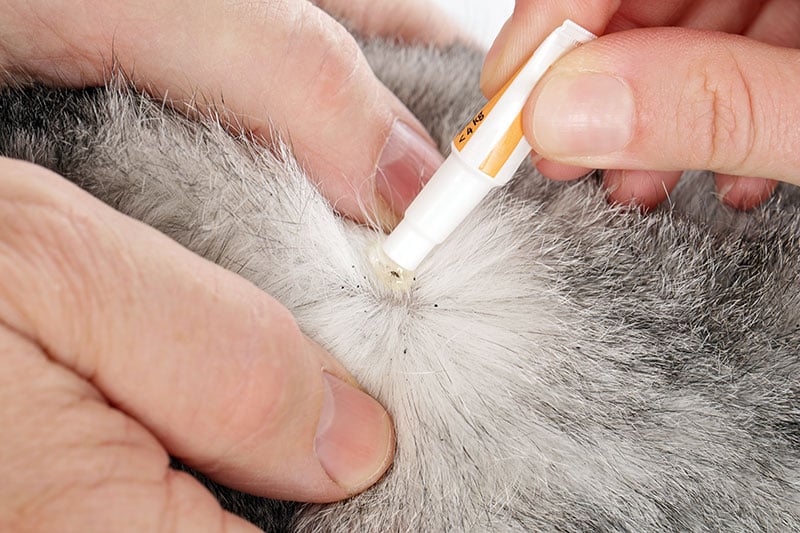
Read the full instructions before opening the tube. Match species, minimum age and weight range and check health restrictions and other medicines. Apply to the skin at the specified site or sites rather than making a universal neck-only rule. Products differ in how they spread or are absorbed, but incomplete application to hair can compromise correct use. Do not divide a larger animal’s tube by guesswork or apply extra liquid as a safety margin.
5 reasons why you should use flea drops
- A suitable formulation can provide continuing adult-flea control on its labelled schedule.
- Some formulations also affect immature development, helping reduce new generations.
- Some cover ticks or other parasites, with exact claims to check rather than assume.
- Premeasured weight packs can make correct use convenient when the right pack is selected.
- Water-exposure and bathing instructions are available for the chosen product; these determine how it fits the animal’s routine.
Using flea drops for cats and dogs

Do not combine drops with other flea medicines or pesticides by default. Herbal or organic wording does not establish efficacy or tolerability. Familiar names such as Frontline, Advantage and Revolution include different formulations, and Program is not a generic spot-on category. Read current information and ask the vet when uncertain. Never transfer a dog-only product to a cat or another species.
Use the following seven checks alongside the exact pack instructions:
How to use flea drops
- Confirm the product is suitable and check whether a bath is needed or might affect treatment timing.
- Follow the coat-dryness and bathing directions; do not assume all products share the same interval.
- Read the dose, application sites, handling warnings and reapplication schedule before use.
- Keep the animal calm and supported while applying the treatment.
- Part the coat and apply to skin at the location or locations on the label, avoiding eyes and mouth.
- Use the correct weight pack and complete dose as directed, recording the date.
- Prevent licking and contact with the wet area for the specified time, including restrictions for other species in the home.
Ingredients do not all form the same storage reservoir in skin cells. Continuing protection depends on the exact formulation and correct use, and adverse reactions remain possible. Contact the veterinarian if the animal becomes unwell and keep the product details. Check ongoing fleas against the household source and correct application before repeating early.
When comparing flea-drop listings, check the current species, weight pack, ingredients, seller and price per appropriate dose. A recognised product name or marketplace listing does not replace those checks. Choose the treatment that fits the animal and plan rather than buying several versions to try together.
A practical formulation check
Advantage II and K9 Advantix II are both monthly topicals, but only the latter includes permethrin and has dog-only tick and mosquito claims. Elanco describes waterproof protection after 24 hours for both; K9 Advantix II also requires keeping cats away from a treated dog for 24 hours. Frontline Plus adds (S)-methoprene to fipronil, while original Revolution uses selamectin and Revolution Plus adds sarolaner for cats. Read the full product name rather than transferring a bathing or parasite claim between these families.
Sources
- FDA: Safe use of flea and tick products in pets
- University of Minnesota Extension: Fleas
- CDC: Getting rid of fleas
- Elanco: Advantage II
- Elanco: K9 Advantix II
- EPA: Frontline Plus for Dogs label
- Zoetis: original Revolution
- Zoetis: Revolution Plus for cats

