
Sticktight fleas, Echidnophaga gallinacea, are often called poultry fleas. However, they don’t just infest poultry: dogs, cats, horses, rodents and other mammals can also be affected. People may occasionally encounter them, especially around infested birds. An attached flea needs a different approach from a flea that can be combed freely from a pet’s coat.
The name “sticktight” describes how females remain firmly attached by their mouthparts for days or weeks while feeding. On chickens, clusters may appear as dark patches around the eyes, comb and wattles.
Sticktight fleas can be a real problem around backyard poultry in warm regions, although they occur in temperate areas too. A dog that spends time in the chicken run can be exposed along with your flock. If the problem keeps coming back, look beyond the one animal you’ve noticed: check the litter, resting places and other animals using the same area.
Appearance of Echidnophaga gallinacea
Like cat and dog fleas, Echidnophaga gallinacea has a body flattened from side to side. Unlike cat fleas, sticktight fleas lack both the genal and pronotal combs: the rows of spines used in flea identification. These features require magnification to assess reliably.
Adults are small, dark brown fleas, roughly 2 mm long, with an angular head and elongated mouthparts. Females anchor their mouthparts in the host’s skin, while much of the body remains visible outside. Eggs fall into soil or litter, where larvae feed and develop before pupating. An attached adult is therefore only one part of the life cycle; simply removing visible fleas doesn’t clear developing stages from the surroundings.
Symptoms of sticktight flea bites

Worldwide, the sticktight fleas are known to affect mainly poultry. However, it isn’t uncommon to see dogs infested by it too. The fleas attach themselves to the hairless parts of the animal’s body such as areas around the eyes, anus, etc.
- Feeding causes local irritation and inflammation. Repeated scratching or rubbing can worsen the damage and allow secondary infection.
- Heavy infestations can cause dangerous blood loss, particularly in chicks and other young animals. Weakness, pallor or failure to thrive needs prompt veterinary attention.
- Clusters around a bird’s eyes can cause swelling and interfere with seeing, eating and drinking. Don’t wait for an affected bird to become unable to feed.
- Sticktight fleas aren’t established vectors of plague or murine typhus. Their direct feeding damage and the risk of infection around attachment sites are the main concerns described in veterinary guidance.
- On dogs and cats, inspect exposed areas such as the outer ear margins. An attached dark speck could also be a tick, scab or another lesion, so seek identification instead of applying force to anything that looks suspicious.
Treating Echidnophaga gallinacea bites
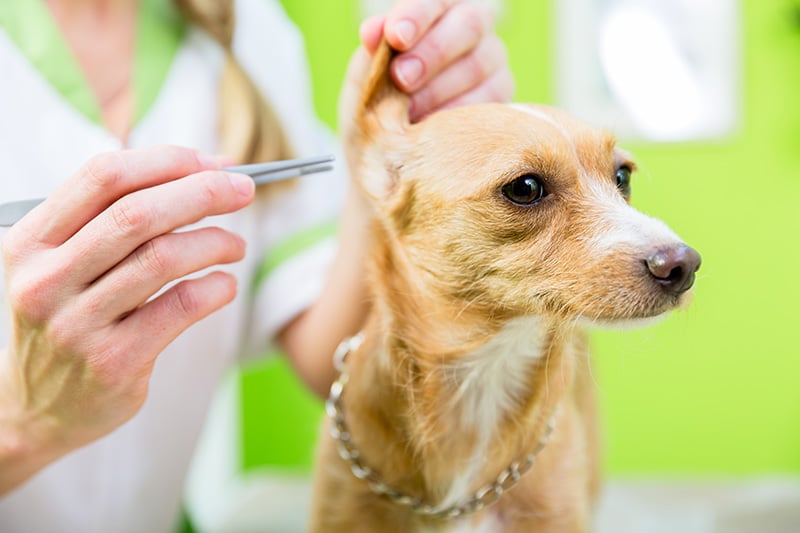
If you find sticktight fleas on your chickens or pets, then it’s important to get rid of them and treat the bites as quickly as possible.
- Make sure they’re sticktight fleas and check your animal. Ask your vet about fleas that are firmly attached, especially near the eyes or on a young, weak or heavily infested animal. Don’t dig at the skin or pull at a cluster beside an eye. If individual removal is suitable, have your vet show you how to do it safely and care for the places where the fleas were attached.
- Choose an on-animal treatment for the correct species. A topical insecticide must be authorised for that animal and use. Don’t apply a homemade malathion mixture, a premises pesticide or a human skin product to a bite wound.
- Clear out the places where new fleas are developing. Replace infested litter and bedding and clean pens, nest boxes and resting areas. Use a premises product only where its label allows, following removal, ventilation and re-entry instructions for birds, pets and people.
- Treat indoor sites according to the actual label. Vacuum accessible pet resting areas and launder suitable bedding. Don’t put agricultural organophosphates on household carpets or fabrics because an online recipe recommends them.
- Include the other exposed animals in your plan. A veterinarian can select suitable treatment for dogs or cats and help prevent contact with the infested bird area. A product suitable for a dog may be unsuitable for cats, rabbits or birds.
- Check food-animal restrictions and follow-up. Check that a poultry product is suitable for your birds, including laying hens where relevant. Follow any egg or meat withdrawal period and the specified retreatment interval. Keep inspecting the surroundings after the visible attached fleas have gone, because new adults may still emerge.
The next time you suspect a flea infestation, it is important to first distinguish the species of fleas present. This can help you determine the action to take, and if need be, call in the professionals to do the job.
Sources
- Merck Veterinary Manual: Fleas of poultry
- CDC: Getting rid of fleas
- FDA: Safe use of flea and tick products in pets
- UF/IFAS Extension: sticktight flea biology and health effects

