Fleas have a four-stage life cycle: egg, larva, pupa and adult. To get rid of them on your pet and in your home, you need to deal with the animal and its surroundings together, then keep following up as hidden stages emerge. Here are the main treatment options, how cleaning helps and what to check before you start. First, make sure fleas really are the problem. You need a plan that fits your animals, not a cupboard full of every flea product you can find.
How to get rid of fleas on your pet
A common mistake is to think that using more flea product will work better. More isn’t better when it comes to chemicals or medicines. Follow the instructions on the package carefully, including those on over-the-counter products. Only buy products labeled for your pet. Using flea products for dogs on a cat and vice versa can be fatal. Especially cats are very sensitive to chemicals and drugs, so make sure you use the correct product for flea control. Even if you read and follow instructions carefully, there may still be side effects. Call your veterinarian immediately if your cat or dog shows obvious signs of breathing problems or pain.
Flea shampoo
You can use a suitable flea shampoo to remove or kill adults during a bath. Check the exact animal, minimum age and application instructions, and don’t force a distressed or unwell pet through bathing. Many shampoos provide little continuing protection, which helps explain why fleas can be seen again after a bath. They aren’t all interchangeable or harmless: check compatibility with existing medicines and follow the label’s bathing and retreatment advice. A flea comb and veterinary assessment may be more appropriate for a very young or heavily affected animal.
Flea collars
Flea collars vary in their ingredients, effectiveness and duration. Some modern labelled collars distribute active ingredients over the coat, while older or unproven products may offer different protection. Check the exact species, age, fitting and replacement instructions, including any water-exposure guidance. Watch for skin irritation or poor fit. Don’t put a collar or a cut-up piece in the vacuum bag; that isn’t its labelled use.
Flea powder and flea spray
Pet powders and sprays have product-specific uses and durations. Some kill adults; products containing an insect growth regulator may also affect immature development. A household flea spray is a separate category and must not be applied to the pet unless its label explicitly authorises that use. Avoid breathing dust or mist and follow all directions about people, animals, surfaces and re-entry. There is no universal two- or three-day protection period for this whole group.
Spot-on flea product
Spot-on treatments go on the skin where the pack tells you to apply them. Their ingredients do different jobs: some kill adult fleas, some also interrupt flea development and some cover other parasites. Check where to apply yours, when the next dose is due and how bathing affects it. Ask your vet if you’re unsure which to choose. They don’t all last exactly one month, and a formula for dogs may be dangerous for cats.
Medicine to treat fleas
Oral flea medicines also do different jobs. Many kill adult fleas; others affect egg development. Some act for a short time and others give longer protection. Program and Sentinel are older examples, but their way of working doesn’t describe every tablet available today. Check the current label for what yours covers and ask whether you need another treatment. Don’t automatically add a spot-on to an oral medicine, or use an oral or injectable product as a spray.
How to get rid of fleas in the house and garden
Once fleas have settled into your home, eggs, larvae and cocoons can be hiding around your pet’s favorite resting spots. You may have heard that only 10% of the fleas are on the animal, but the proportions vary—that figure can’t tell you what’s happening in your house. Start where your animals sleep and spend time. Finding a flea on your dog doesn’t mean the whole garden needs treating, though it’s worth checking any outdoor area that could be the source.
Vacuum regularly as part of flea control
During an active infestation, vacuum affected resting areas daily or every other day, unless a recent treatment requires a different cleaning schedule. Vacuuming removes flea stages and the organic debris on which larvae feed. Work through carpets, upholstery, edges and accessible cracks, especially near resting sites. Continue during the control period because one clean-up will miss protected stages. Empty a bagless vacuum according to its instructions, keeping the debris contained. Seal the collected debris or used vacuum bag inside a trash bag and put it in an outdoor trash container. Don’t add flea collars, sprays or powders to the vacuum.
Wash bedding, clothing and upholstery on furniture
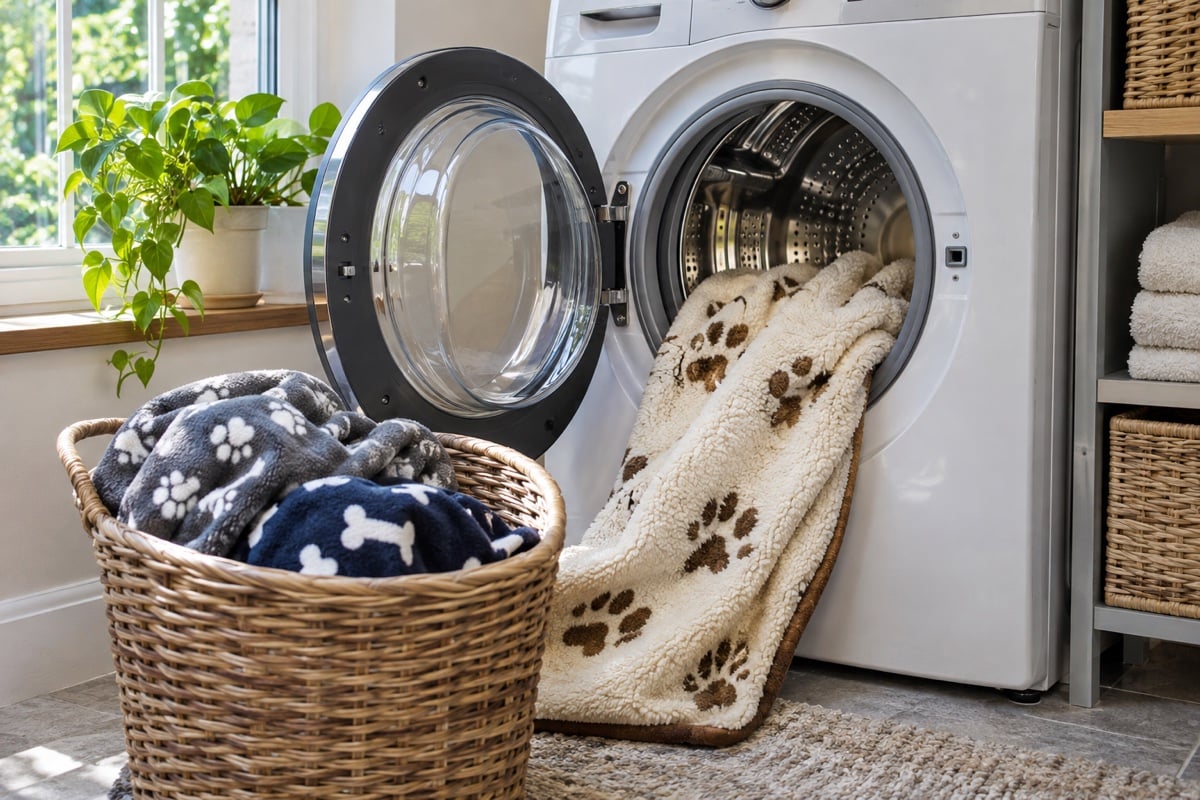
Wash suitable pet bedding and the covers your animals use at least weekly during an infestation. Use detergent and the hottest wash and drying settings their care labels allow. Put clean items somewhere they won’t mix with untreated bedding. Ask for advice about delicate upholstery or anything marked dry-clean-only. Start with the things your animals actually use; there’s no need to put every possession through the same harsh wash.
Assess whether a home or garden insecticide is needed
If cleaning and appropriate animal treatment need support, choose a premises product labelled for the pest and the exact indoor or outdoor site. Follow preparation, dose, ventilation and re-entry directions; being dry isn’t the only requirement on every label. Keep people, pets, food and belongings protected as directed. A qualified pest professional can help with a persistent infestation, an uncertain source or a treatment you can’t apply correctly. Product timing and follow-up should follow the label or professional plan, not a universal calendar.
Put the flea-control plan into practice with a checklist
All this information can feel like a lot when you just want to get rid of the fleas. To make things a little easier, I’ve made a printable checklist covering identification, your pets, the house, outdoor sources and follow-up. You can tick off the jobs as you go and come back to this guide for the explanations. Keep your product instructions and your vet’s plan with it:
- Download the flea-control checklist.
- Print it and mark the steps relevant to your home and animals.
- Tackle your pets and the house together, rather than leaving weeks between the two.
- Record treatment dates and live sightings, and share the checklist with anyone helping you.
- Check your progress and ask for help if flea sightings aren’t declining or an animal becomes unwell.
Sources
- CDC: Getting rid of fleas
- University of Minnesota Extension: Fleas
- FDA: Safe use of flea and tick products in pets
- UC IPM: household flea cleaning
- University of Guam Extension: flea control and bedding care

